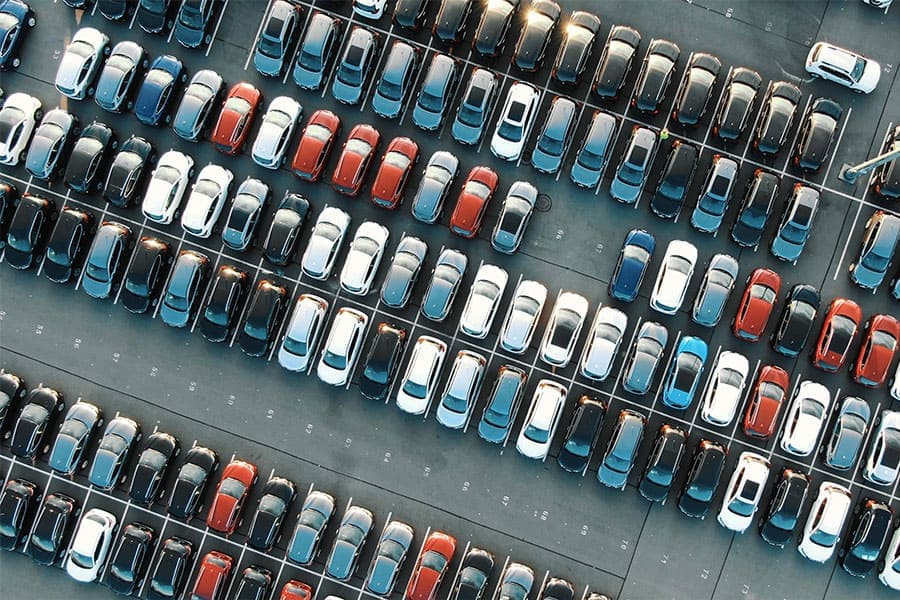
Whether it’s a freight forwarding company, a construction firm, or a municipal fleet: fleet management is a key issue wherever companies and organizations operate a large number of vehicles. The focus is on the organization, administration, and management of operational mobility. Since operating a fleet can involve significant costs, fleet managers must efficiently manage vehicles and processes while keeping costs under control. At the same time, they must comply with legal requirements, handle claims, and, for example, take sustainability goals into account.
Digital fleet management plays a key role in this. By automating processes , fleet managers can minimize costs, identify potential savings and increase safety in the fleet. In this article, you will find out which processes are involved in fleet management and how fleet software can reduce the workload.
Contents
- 1. What does fleet management mean?
- 2. From Administration to Management: CarWise’s Perspective on Modern Fleet Management
- 3. What are the goals of fleet management?
- 4. Which areas are important in fleet management?
- 5. What is digital fleet management?
- 6. What needs to be considered in digital fleet management?
- 7. What is a fleet management system?
- 8. What advantages does a fleet management system offer?
- 9. Digital Control Instead of Isolated Standalone Solutions—A Practical Perspective from CarWise
- 10. Who is responsible for fleet management in the company?
- 11. What does Total Cost of Ownership mean in fleet management?
- 12. What legal requirements need to be observed in the vehicle fleet?
- 13. Fleet management: in-house vs. outsourcing
- 14. Which trend topics should fleet managers keep an eye on?
What does fleet management mean?
The term fleet management refers to the organization and administration of a company’s vehicle fleet. This includes the procurement and management of vehicles as well as the planning and organization of maintenance and repairs. The handling of damage, fuel management and the administration of contracts and insurance are also areas of fleet management.
In addition, fleet managers must comply with the statutory obligations of owner liability. This includes the driver’s license check, the UVV driver training and the UVV vehicle inspection.
From Administration to Management: CarWise’s Perspective on Modern Fleet Management
In its day-to-day work with companies, CarWise has observed that fleet management is often viewed—and has been viewed for too long—as merely an administrative task. Lists, standalone tools, and manual processes dominate, while the actual control benefits remain elusive. Yet it is precisely this aspect that determines whether the fleet merely functions or actively contributes to the company’s efficiency, safety, and cost-effectiveness.
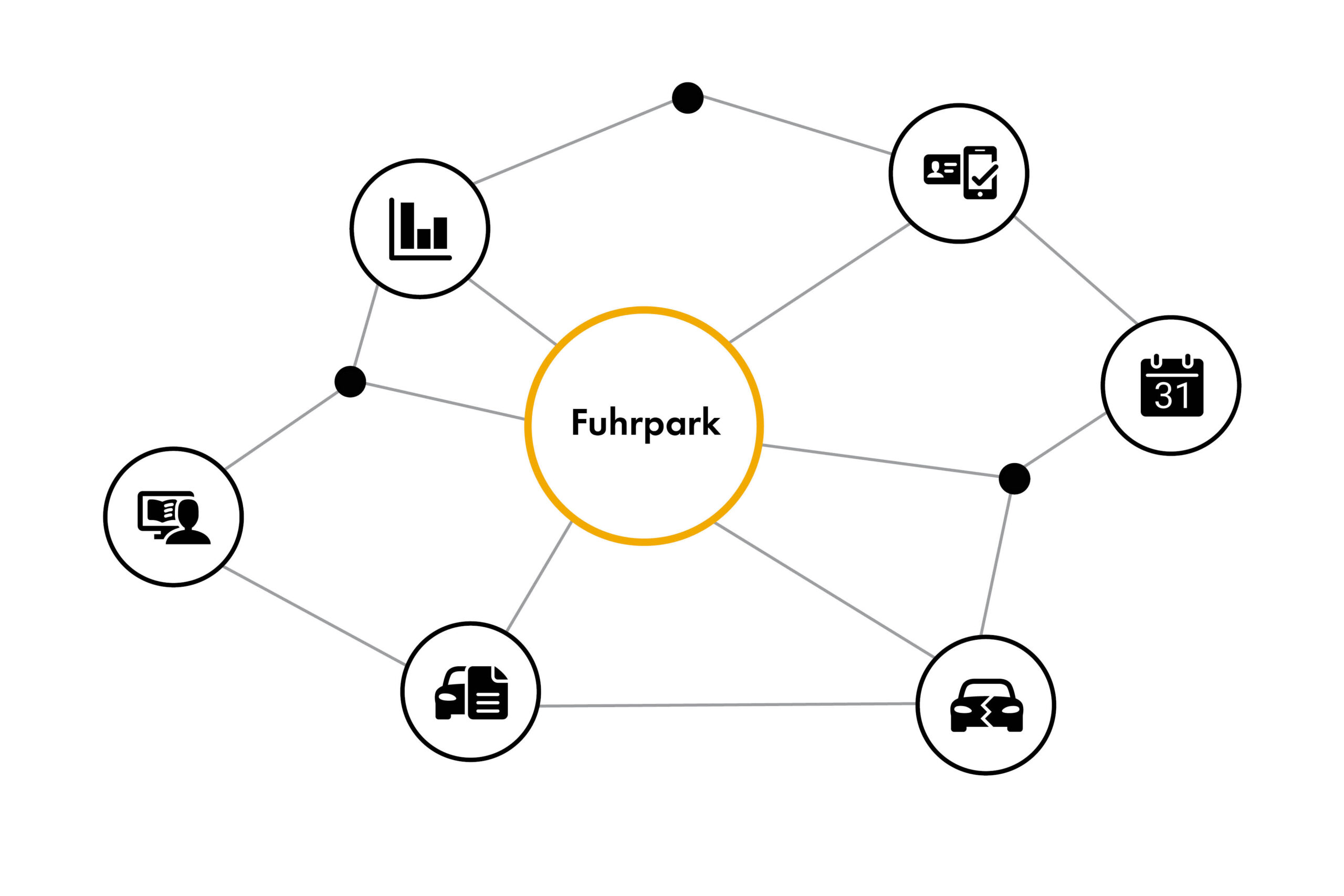
From CarWise’s perspective, effective fleet management can only be achieved when processes, data, and responsibilities are systematically integrated. Only in this way can cost trends be tracked, legal obligations be reliably met, and decisions be made based on reliable information. This systematic approach also forms the foundation for digital fleet management, which does not replace individual tasks but rather makes the fleet as a whole manageable.
What are the goals of fleet management?
Efficient fleet management means managing the fleet economically and ensuring compliance with legal regulations. Fleet management also plays a key role in optimizing operational mobility. A company can increase efficiency and productivity by having a suitable vehicle fleet that meets the requirements and needs of its employees.
From CarWise’s perspective, one thing becomes clear time and again: what matters is not the number of vehicles, but how effectively processes, data, and responsibilities are integrated within the fleet. This is precisely where, in practice, simple administration differs from effective fleet management. Only when information is centrally available and processes are systematically supported does the transparency emerge that companies need to manage their fleets in a way that is economically sound, legally compliant, and sustainable in the long term.
Efficiency & cost control
One of the main objectives of fleet management is to effectively manage the fleet and reduce costs. This includes reducing operating costs such as fuel consumption, maintenance, insurance and vehicle procurement costs. Through the efficient use of resources and cost control, fleet management can contribute to increasing the company’s profitability.
Optimization of vehicle utilization
Another goal in fleet management is to optimize the fleet with regard to the company’s (mobility) requirements. On the one hand, this includes the right number and type of vehicles to efficiently support operations. It also includes optimizing vehicle utilization and well thought-out route planning in order to minimize empty runs and maximize efficiency.
Taking Climate and Environmental Goals into Account in the Vehicle Fleet
More and more companies are taking energy consumption and CO₂ emissions into account when managing their fleets. Fleet management that incorporates climate and environmental goals alongside economic considerations can involve a variety of measures. These include, for example, the use of electric vehicles and other alternative powertrains, as well as fuel-efficient driving practices.

Which areas are important in fleet management?
Managing a vehicle fleet involves numerous different tasks and processes. Among other things, fleet managers coordinate schedules and deadlines, monitor costs, organize vehicle procurement, and handle claims and maintenance processes. In addition, there are legal requirements and documentation obligations that must be taken into account during day-to-day operations.
Especially when many of these tasks are running simultaneously, it can be difficult to maintain an overview at all times. From our experience with client projects, we know that information is often scattered across different systems, Excel spreadsheets, or documents. This increases the amount of manual work, makes coordination more difficult, and can lead to important deadlines or information being overlooked. Digital fleet management helps consolidate data and processes in one place and manage recurring tasks more efficiently.
Our experience shows that the various aspects of fleet management should not be viewed in isolation but must work together effectively. When information is centrally available and processes are coordinated, fleet managers can perform their tasks more efficiently and manage the fleet reliably—regardless of the fleet’s size and complexity.

You can learn more about the tasks and responsibilities involved in fleet management in our article “Fleet Management Tasks: The 10 Most Important Tasks in the Fleet.” Here, we outline the key areas of responsibility in fleet management and offer tips on how to optimize your processes.
What is digital fleet management?
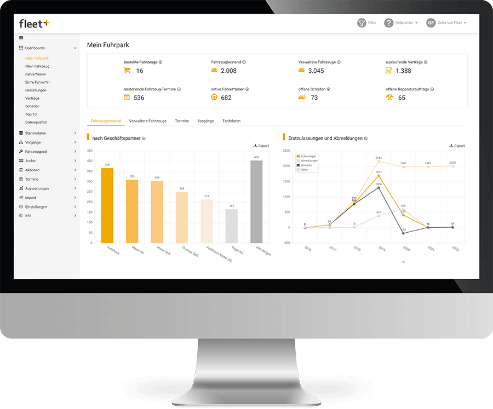
Digital fleet management refers to the administration and control of a fleet using digital technologies and software solutions. Vehicle, driver, cost, and contract data are consolidated centrally, and recurring tasks are supported digitally or automated. This creates transparency and reduces the manual administrative workload.
Fleet management software plays a central role in this process. It helps fleet managers, for example, manage costs and contracts, as well as keep track of maintenance schedules, inspection deadlines, and other due dates. Additional vehicle data, such as mileage and fuel consumption figures, can be automatically imported via interfaces and telematics systems.
At CarWise, this is clearly evident: The added value stems primarily from the interaction between data and processes. When information is centrally available and processes are linked, administrative tasks can be handled more efficiently, trends can be identified more quickly, and decisions can be made based on up-to-date fleet data.
What needs to be considered in digital fleet management?
- Choose the Right Solution: The software should be suited to the size, structure, and requirements of the fleet and be scalable as needed.
- Defining Processes and Responsibilities: Even digital solutions require clear workflows and responsibilities. This is the only way to make effective use of features and automation in day-to-day work.
- Consider Interfaces: Existing systems and relevant data sources should be as easy as possible to integrate in order to avoid duplicate data entry.
- Data Protection and Data Security: Personal and sensitive data must be protected and processed in accordance with applicable data protection regulations.
What is a fleet management system?
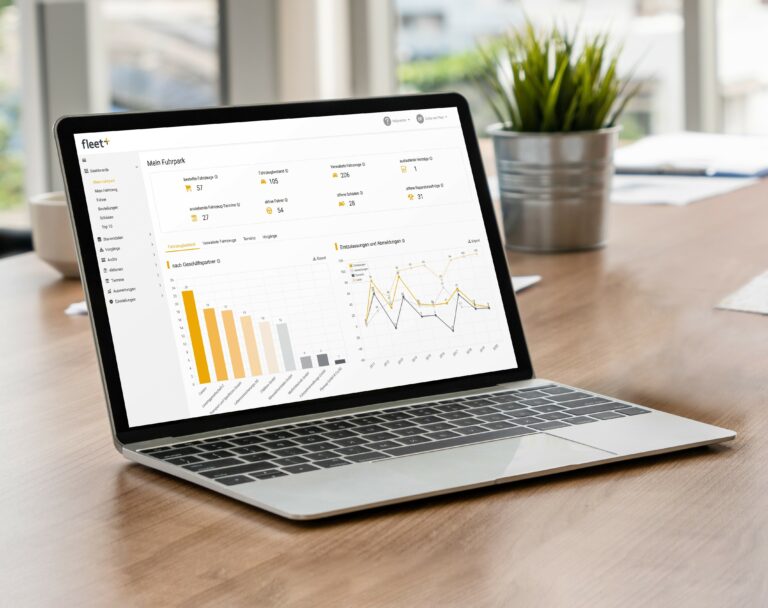
A fleet management system, also known as fleet software, is a specialized software solution that facilitates the management and organization of vehicles. It is used to record and manage all vehicle and driver data in one place. Comprehensive reporting capabilities give fleet managers valuable insight into fleet performance and enable them to make informed decisions to increase efficiency and reduce costs.
In most cases, fleet management software—such as Carano Fleet+—can be supplemented with various add-ons. These add-ons can be used, for example, to perform electronic driver’s license checks or provide driver training in accordance with UVV regulations.
What advantages does a fleet management system offer?
The use of fleet software offers numerous advantages in fleet management. It simplifies the complex processes in the fleet and creates structured workflows, reducing the workload for fleet managers. It also ensures transparency in the fleet and helps to monitor and reduce costs.
Automation of processes
Fleet management software automates many fleet management processes that are time-consuming and error-prone in Excel. By digitizing tasks such as data import, calculations, reminders and the creation of reports, it saves valuable time and resources that can be used for the strategic management of the fleet.
Centralization of data
Digital fleet management helps to centrally record and manage all relevant data relating to vehicles and drivers, including vehicle information, maintenance logs, driver data, insurance documents, fuel consumption and much more. This also facilitates access to information for other stakeholders, such as accounting or HR, while maintaining data integrity through individual access permissions.
Reporting and cost control
Digital fleet management can be used to create maintenance and repair schedules, monitor appointments and generate reminders for maintenance work. This ensures that vehicles are kept in optimum condition, downtimes are minimized and costly repairs are avoided.
Maintenance management
Digital fleet management can be used to create maintenance and repair schedules, monitor appointments and generate reminders for maintenance work. This ensures that vehicles are kept in optimum condition, downtimes are minimized and costly repairs are avoided.
Digital claims management
Digital fleet management also simplifies the handling of claims. In addition to the electronic documentation of damage, software also simplifies the tracking of the claims process – from reporting to repair. Automatic notifications and automated communication between drivers, insurance companies and workshops speed up the claims process. The claims management software also provides comprehensive reports and analyses to identify damage patterns and take preventive measures to reduce damage.
Compliance with keeper liability obligations
Digital fleet management also offers solutions for complying with the legally mandated vehicle owner liability requirements. The Checking driver’s licenses is conveniently carried out via a smartphone app while on the go. The Driver training in accordance with UVV regulations can be flexibly conducted online as an e-learning course, no matter where the driver is located. This is not only very convenient for employees but also relieves fleet managers of the time-consuming tasks of scheduling appointments and communicating with drivers. All exams and test results are documented and stored in a traceable manner.
Integration with other systems
A digital solution can be integrated with other business systems, such as accounting software, HR management and order management. This allows information to be shared seamlessly and processes to be automated to improve the efficiency and accuracy of data capture and processing.
Digital Control Instead of Isolated Standalone Solutions—A Practical Perspective from CarWise
In its day-to-day work with fleets of all sizes, CarWise consistently finds that digitalization in fleet management often falls short. While individual tasks—such as maintenance schedules, damage reports, or driver’s license checks—are managed digitally, without an overarching structure, much of the potential remains untapped. The result is parallel systems, duplicate data entry, and a lack of transparency regarding the fleet’s actual condition.
From CarWise’s perspective, the key difference between digital administration and digital management lies in the consistent integration of all relevant processes. Only when vehicle data, driver data, and cost data are consolidated in a central location is a reliable foundation for decision-making established. This is precisely where the added value of integrated fleet management becomes apparent. Trends become visible, risks are identified early on, and targeted measures can be derived.
This becomes particularly clear when it comes to issues such as cost control and owner liability. Without a structured database, cost trends remain difficult to track and legal obligations quickly become an organizational risk. Digital systems not only provide relief in day-to-day business, but also ensure traceability and legal certainty, regardless of how complex the fleet is structured.
CarWise therefore views digital fleet management not merely as an IT project, but as a means of organizational development. The goal is to design processes so that they function effectively in day-to-day operations, responsibilities are clearly defined, and information remains available at all times. In this way, the fleet is not only managed more efficiently but also made permanently controllable as an integral part of operational processes and decision-making structures.
Who is responsible for fleet management in the company?
Responsibility for fleet management can be organized differently in companies. In small and medium-sized companies, employees often take on fleet management activities in addition to their actual tasks, such as purchasing or accounting.
Companies with large fleets usually have a fleet manager as the central person responsible for the entire fleet management. In some cases, companies also decide to outsource fleet management to external service providers. You can find out more about the advantages and disadvantages of fleet outsourcing in the article below.
What does Total Cost of Ownership mean in fleet management?
The Total Cost of Ownership (TCO for short) describes the total costs associated with owning and using vehicles in a fleet. It takes into account not only the initial purchase cost but also all expenses incurred over the life of a vehicle. TCO therefore includes all costs related to:
- Acquisition and financing (such as interest or leasing fees)
- Ongoing costs for fuel, maintenance, repairs or tire changes
- Insurances
- Taxes and fees
- Depreciation and amortization
- Residual value
A careful analysis of the total cost of ownership shows the true cost of a vehicle in the fleet and helps to make informed decisions. It provides a basis for decision-making when it comes to making the most economical vehicle selection, determining the optimum time for vehicle renewal or planning maintenance strategies.
What legal requirements need to be observed in the vehicle fleet?
There are a number of legal requirements and official regulations to be observed in fleet management:
- The Working Hours Act (ArbZG) regulates the working hours of drivers and contains provisions on driving and rest times, break regulations and maximum working hours for drivers in commercial goods and passenger transport.
- The Occupational Health and SafetyAct (ArbSchG) also applies to fleet management and sets out general requirements for the protection of employees from work-related hazards. It is intended to ensure the safety and health of employees and provides the basis for regular driver training in accordance with accident prevention regulations.
- The obligation to check driving licenses in the vehicle fleet arises from the Road Traffic Act (StVG). This contains provisions on liability in road traffic and regulates aspects such as issuing driving licenses, vehicle registration, traffic regulations and penalties for traffic violations.
Fleet management: in-house vs. outsourcing
The decision as to whether fleet management should be handled in-house or outsourced and therefore handed over to an external fleet service provider(fleet management outsourcing) depends on various factors and can vary from company to company. Here are some points that should be considered when making a decision:
Advantages
In-house
- Independence from external service providers and direct influence on workflows and processes
- Development of internal expertise
- Support through digital fleet solutions
Outsourcing
- Know-how and better purchasing conditions
- Increased efficiency as employees focus on core tasks
- Investments in IT and employee training measures can be minimized
Disadvantages
In-house
- High expenditure of time and resources
- Difficulty keeping pace with the latest technological developments
Outsourcing
- Frequently higher costs
- Loss of internal knowledge and control
- Dependence on external service provider and less flexibility
Companies often decide to outsource certain areas, whereby the operational processes are transferred to a fleet service provider and the strategic decision-making power remains within the company. If fleet management is operated in-house, digital solutions help with the organization of the vehicles and all associated issues.
Which trend topics should fleet managers keep an eye on?
New technologies and mobility concepts are also changing the requirements for fleet management. It is therefore worthwhile for fleet managers to monitor these developments and assess which ones are a good fit for their own company and mobility needs.
AI and Automation
Artificial intelligence and automated processes can assist fleet managers with increasingly data-intensive and administrative tasks. Recurring workflows can be automated, large volumes of data can be analyzed more quickly, and relevant information can be provided in a more targeted manner. For example, AI can help identify anomalies in fleet data or process information from documents more efficiently. It is crucial that these applications be integrated effectively into existing processes and systems.
Digital Vehicle Procurement
Digital processes can also simplify vehicle procurement. Vehicles and equipment can be configured online, approval processes can be mapped digitally, and relevant data can then be transferred to other systems. This helps reduce data silos and manual effort in the procurement process.
Corporate Car Sharing
What has already become the norm in private use is also playing an increasingly important role in corporate fleets: In corporate carsharing, multiple employees share a pool of vehicles rather than assigning vehicles exclusively to individual people. This type of demand-based usage can increase the utilization of existing vehicles and help reduce the actual need for vehicles.
Electromobility
The electrification of corporate fleets remains a key challenge for fleet management. This involves more than just selecting suitable electric vehicles. Charging infrastructure, driving ranges and usage patterns, charging and energy costs, as well as tax and regulatory frameworks must also be taken into account. Fleet data can help identify suitable vehicles and areas of use and enable a phased transition to alternative powertrains.
Although electric vehicles are often more expensive to purchase than comparable internal combustion engine vehicles, they canoffer the potential for lower total costs depending on the usage profile. Factors such as energy prices, mileage, maintenance costs, and tax policies play a role here. Since electric vehicles do not produce direct CO₂ emissions from the exhaust while driving, they can also help reduce the use of fossil fuels and direct emissions within a vehicle fleet.
Conclusion
- Structured and digital fleet management creates a central database and enables well-founded decisions as well as full control over costs and processes.
- Automated processes and networked systems reduce the administrative workload, increase productivity and help to make targeted use of potential savings.
- CarWise solutions intelligently integrate processes, data, and responsibilities within the fleet. This creates a comprehensive system that not only manages the fleet but also makes it actively controllable.
FAQ – Fleet management
Fleet management encompasses all activities related to the planning, administration and optimization of the operation of company vehicles. The aim is to use vehicles as efficiently as possible, reduce costs and comply with legal regulations.
Based on CarWise’s experience, digital fleet management isn’t just worthwhile once a fleet reaches a certain size—it’s beneficial whenever processes become confusing or legal obligations are managed manually. Even with just a few vehicles, the administrative burden can be significant—especially when it comes to driver’s license checks, maintenance appointments, or claims processing. Digital systems provide relief and transparency early on in these areas.
Fleet management is crucial for the profitability, safety, and organization of companies that operate a fleet of vehicles. Collecting and analyzing data provides greater transparency regarding vehicles, costs, and processes, and helps identify opportunities for optimization within the fleet.
Efficient fuel management and regular maintenance can help reduce operating costs and avoid unnecessary expenses. In addition, one of the key responsibilities of fleet management is to comply with legal regulations and reliably document the relevant evidence.
Climate and environmental goals can also be taken into account in fleet management. Possible measures include, for example, reducing fuel consumption, integrating electric vehicles and other alternative powertrains, and implementing mobility concepts such as corporate carsharing, which can help increase the utilization of existing vehicles.
In practice, CarWise frequently encounters fleets where information is scattered across multiple systems, Excel spreadsheets, or emails. This leads to data silos, duplicate work, and a lack of traceability. Another common mistake is digitizing individual tasks without an overarching strategy, which tends to make processes more complicated rather than more efficient.
There is no legally required training for the profession of fleet manager. A degree in a relevant field, such as logistics, business administration, or automotive engineering, already provides a solid foundation of knowledge for working in fleet management. Qualification as a fleet manager is then achieved through specialized continuing education programs. These are offered, for example, by DEKRA, TÜV Rheinland, or the Chamber of Industry and Commerce.
CarWise helps companies take a holistic view of their fleet management processes and implement them effectively through digital solutions. This is not about simply replacing individual tools, but rather about the structured implementation of systems that are tailored to the company and work effectively in day-to-day operations. The goal is a fleet management system that reduces the workload, is legally compliant, and remains manageable in the long term.
Thanks to a digital solution, fleet management tasks can be automated, and data can be collected and processed centrally. It also simplifies schedule management, cost control, and claims management. This saves a significant amount of time in fleet operations and lightens the workload for fleet managers in their day-to-day operations.
Further articles on the topic of fleet management
- Fleet management tasks: The 10 most important fleet activities
- Fleet Management: Modern vehicle management for maximum fleet efficiency
- Fleet optimization – efficiency and digitalization in modern fleet management
- Vehicle management: efficient processes for a modern vehicle fleet
- Excel fleet management: a practical start or an outdated concept?