Electric mobility, as well as reducing energy consumption and CO₂ emissions, are becoming increasingly important in corporate fleet management. Fleet managers face the exciting challenge of fundamentally rethinking existing processes and finding practical solutions for an electric vehicle fleet. The focus here is not only on (re)organizing the fleet, but also on expanding the scope of the fleet manager’s responsibilities.
In this blog post, we’d like to provide an overview of the tasks and challenges that fleet managers will face in the era of e-mobility. We’ll focus on the importance of intelligent software solutions that support the transformation of fleet management and effectively ease the burden on fleet managers when it comes to decision-making and planning.
Contents
- 1. Electric Mobility Brings Changes for Fleet Managers
- 2. New Responsibilities for Fleet Managers to Ensure the Successful Integration of Electric Vehicles
- 3. Selection and number of required and suitable electric vehicles
- 4. Cost-Effective Use of Electric Vehicles in a Fleet
- 5. Cost Analysis: How Cost-Effective Are Electric Vehicles in a Fleet?
- 6. Implementing an Efficient Charging Infrastructure for E-Mobility
- 7. Driver Training: Safe Operation of Electric Vehicles
- 8. Data Management: Improving Efficiency Through Intelligent Analysis
- 9. CO₂ Emissions from Vehicle Fleets: Electric Vehicles and Renewable Energy
- 10. Mastering Electric Mobility as a Fleet Manager with Smart Software Solutions
Electric Mobility Brings Changes for Fleet Managers
The growing volume of data requires comprehensive analysis; infrastructure must be partially or even completely rebuilt; and increasing process automation is shaping the transformation of fleet management. In this context, it is crucial that fleet managers actively participate in shaping this transformation in order to ensure the success of the e-mobility initiative.
In the past, tasks and processes could be handled using Excel spreadsheets. But today, they have become so complex and multifaceted that intelligent software support is essential for managing an electric vehicle fleet in a cost-effective and resource-efficient manner.
However, the changes brought about by electric mobility also present numerous opportunities. An electric vehicle fleet can help reduce direct CO₂ emissions during operation. Depending on the usage profile, electricity costs, and charging infrastructure, electric vehicles can also offer long-term potential for lowering operating costs. The integration of a well-designed charging infrastructure makes it possible to make optimal use of electric vehicles and increase their efficiency.
New Responsibilities for Fleet Managers to Ensure the Successful Integration of Electric Vehicles
Electric cars continue to gain ground in new vehicle registrations in the EU. According to ACEA, battery-electric vehicles already accounted for 20.7% of new passenger car registrations in the first half of 2026. In the same period the previous year, their share was still 15.6%. During the same period, diesel passenger cars accounted for only a single-digit market share—7.6% in May 2026.
The growing importance of e-mobility today calls for a strategic approach to fleet management. It’s not just a matter of simply replacing conventional vehicles with electric vehicles, but also of rethinking the entire fleet strategy based on a thorough fleet analysis. Both environmental and economic considerations are key factors in this process.
How can I implement e-mobility in my fleet in a practical and cost-effective way? How many vehicles will I need in my fleet in the future? Will the fleet consist entirely of electric vehicles, or will company cars with internal combustion engines still be used? What about the charging infrastructure—what do I need to consider here?
These and other questions are on the mind of every fleet manager who is taking a close look at electric mobility in their fleet. By adopting a strategic approach, taking environmental and economic factors into account, and utilizing modern technologies, fleet managers can successfully navigate this transition and fully capitalize on the benefits of electric mobility.
Selection and number of required and suitable electric vehicles
The selection and number of suitable electric vehicles in the fleet are critical factors for success in the area of electric mobility. Fleet managers face these important questions: How many internal combustion engine vehicles will be replaced by electric vehicles? Is a complete transition to electric mobility the best option?
A thorough analysis of past trips and a forecast of vehicle demand help with decision-making and enable the procurement of vehicles in a way that is both needs-based and cost-efficient. The analysis of trip history serves as the starting point for planning the transition, taking into account both range requirements and charging capacities.
Based on the vehicle demand forecast, the fleet manager determines how many electric vehicles are needed and which internal-combustion vehicles should be replaced by them. Selecting the right electric vehicles is just as important, since different models can meet different requirements. A customized vehicle selection and a number of electric vehicles tailored to specific needs help companies efficiently integrate electric mobility into their fleet and pursue their goals of reducing energy consumption and CO₂ emissions.

Cost-Effective Use of Electric Vehicles in a Fleet
To use electric vehicles economically in a fleet, the right usage strategy is key. High vehicle utilization can help improve the cost-effectiveness of electric vehicles. Electric cars can offer particular advantages on short, inner-city routes due to their efficient electric drivetrains and produce no direct CO₂ emissions from the exhaust while driving.
Corporate carsharing can be a suitable solution for increasing the utilization rate of electric vehicles. By introducing a With a car-sharing program, multiple employees can share access to the vehicles. This helps reduce downtime and makes more efficient use of existing vehicles. Higher utilization can also help reduce the number of vehicles needed, allowing for a more targeted allocation of costs and resources within the fleet.
Careful planning and clear guidelines are crucial here to ensure the smooth implementation of corporate carsharing and to make the most of the potential offered by electric mobility. Through a smart combination of electric vehicles and carsharing, companies can thus benefit from electric mobility both economically and environmentally.
Cost Analysis: How Cost-Effective Are Electric Vehicles in a Fleet?
The transition to electric vehicles makes a careful cost analysis of the fleet particularly important. This analysis should take into account not only the purchase costs but also the total operating costs. These include, among other things, costs for charging infrastructure, energy, maintenance, and repairs.
Electric vehicles are often more expensive to purchase than comparable internal-combustion vehicles. However, potential savings may arise during operation. Since the electric powertrain contains fewer components prone to wear and tear, maintenance and repair costs may be lower. The actual size of the cost advantage depends, among other things, on the vehicle model, mileage, and usage.
There may also be benefits in terms of energy costs. Key factors here include electricity and fuel prices, charging method, and mileage. If electricity from renewable energy sources is used for charging, this can also reduce the greenhouse gas emissions associated with vehicle use.
Whether electric vehicles are economically viable in the long term should therefore be evaluated based on the specific usage profile and total cost of ownership (TCO). This allows for a well-founded assessment of which vehicles and applications are suitable for electrification within a fleet.
Implementing an Efficient Charging Infrastructure for E-Mobility
The success of electric mobility in a vehicle fleet is closely tied to the availability of an appropriate charging infrastructure. Charging poles and charging stations are essential for charging electric vehicles regularly and reliably. However, there is still work to be done in many places, as many charging stations are either not open to the public or are inconveniently located.
Efficient charging management also requires technical support from smart software solutions. The data needed for reliable forecasting and analysis is extremely complex. In addition to the number of charging stations, charging time and the price of electricity are also critical factors. Taking into account variable electricity prices based on the time of day and grid load can lead to significant cost savings. For example, it is cheaper to charge vehicles at night than during the day.
A forecast of usage and an analysis of past usage, including charging times, are helpful in obtaining a realistic picture of charging requirements. This allows the right measures to be taken to create an efficient charging infrastructure for electric vehicles that meets actual needs.
Driver Training: Safe Operation of Electric Vehicles
The introduction of electric vehicles often requires training for drivers to familiarize themselves with the specific characteristics and requirements of electric cars. Thorough instruction for drivers is therefore essential to ensure the safe and efficient use of electric vehicles.
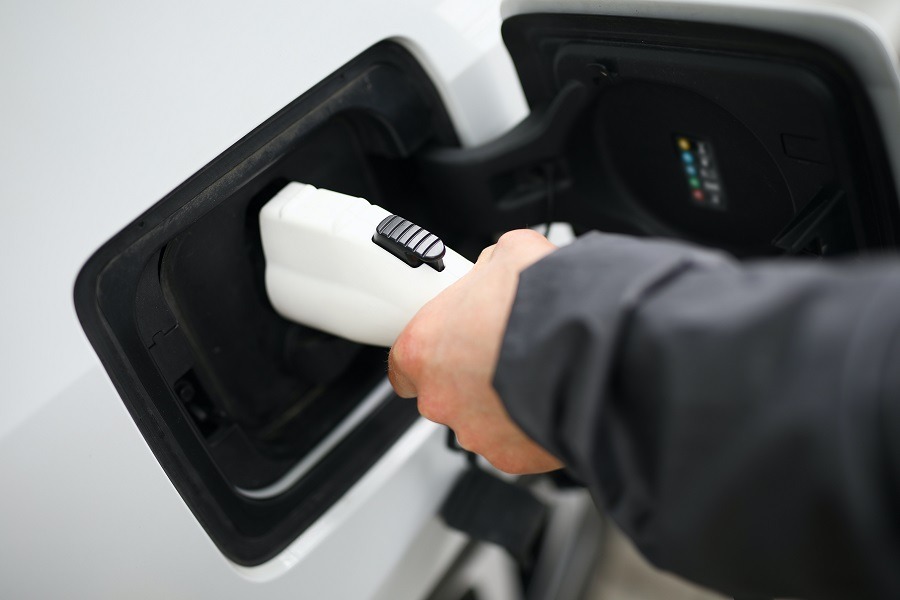
As part of regular UVV driver training, drivers should be familiarized with the specific features of electric cars and how to operate them safely. This includes, for example, understanding the range indicator, the proper handling of charging cables, and the optimal use of regenerative braking technology to recover energy while driving.
Driver training not only contributes to road safety but can also help extend the life of the batteries. This enables drivers to fully realize the potential of electric vehicles and optimize their range.

Data Management: Improving Efficiency Through Intelligent Analysis
Electric vehicles generate a wealth of data that is invaluable for fleet management and efficiency optimization. To realize this full potential, effective data management is essential. The fleet manager must implement appropriate systems and tools to monitor and analyze the collected data. Information about battery charge, energy consumption, driving behavior, and other relevant data plays a key role in this process.
Analyzing this data helps assess energy consumption, plan routes more efficiently, and evaluate drivers’ driving behavior. Based on this, opportunities for lower energy consumption and more efficient vehicle use can be identified . This can have a positive impact on available range and help reduce operating costs and energy consumption within the fleet.
Through intelligent data management, fleet management can respond early to potential problems, increase vehicle availability, and optimize maintenance planning. The use of the collected data thus opens up new opportunities to make the entire fleet even more efficient and future-proof.
CO₂ Emissions from Vehicle Fleets: Electric Vehicles and Renewable Energy
The integration of electric vehicles can help reduce the use of fossil fuels and direct CO₂ emissions from vehicle operation. Another key factor is the use of electricity from renewable energy sources to charge the vehicles. This can further reduce the greenhouse gas emissions associated with vehicle use.
With the help of appropriate analytics systems, fleet managers can track energy consumption and CO₂ emissions and monitor trends. This allows them to evaluate climate and environmental goals based on data and document progress.
Mastering Electric Mobility as a Fleet Manager with Smart Software Solutions
Integrating electric mobility is complex, but it is certainly achievable with the right software support. Every fleet manager should be aware that electric mobility requires a realignment of existing processes. The many interrelated aspects, such as range management and charging management, can only be made transparent and traceable through an intelligent software solution.
The software not only helps managers with short-term planning, but also enables long-term strategic planning and identifies opportunities for optimization. This gives management greater control over costs, which is one of the main reasons for using electric vehicles.
In the electric vehicle fleet, tomorrow’s fleet manager will increasingly rely on digital tools. With the help of data forecasts, he or she will be able to make informed decisions and accurately assess the impact on the fleet.
This makes fleet management more comprehensive and data-driven. At the same time, fleet management software can help streamline processes and provide a transparent analysis of costs. An intelligent software solution helps fleet managers manage the additional requirements of electric mobility and keep a close eye on vehicle usage, energy consumption, and costs.