Electric vehicles are now an integral part of many corporate fleets. According to the DAT Barometer 2024 , they are well represented in German fleets, and their numbers have continued to rise in recent years. More and more companies are asking themselves: Is it worth adding an electric car to the fleet?
The decision to electrify a fleet—or not—depends on various factors. In this article, we examine key pros and cons that companies should consider when integrating electric vehicles and highlight the role they can play in reducing energy consumption and CO₂ emissions in a fleet.
Contents
- 1. What are electric cars?
- 2. Benefit 1: Electric cars can reduce CO₂ emissions in a vehicle fleet
- 3. Benefit 2: Tax benefits can make the purchase more attractive
- 4. Benefit 3: Earn Money with Electric Vehicles Thanks to the GHG Quota
- 5. Disadvantage 1: High upfront costs can affect the cost-effectiveness of electric cars
- 6. Disadvantage 2: Limited ranges have an impact on efficiency
- 7. Disadvantage 3: High fast-charging costs can affect cost-effectiveness
- 8. Conclusion: Is an electric car a good investment for a fleet?
What are electric cars?
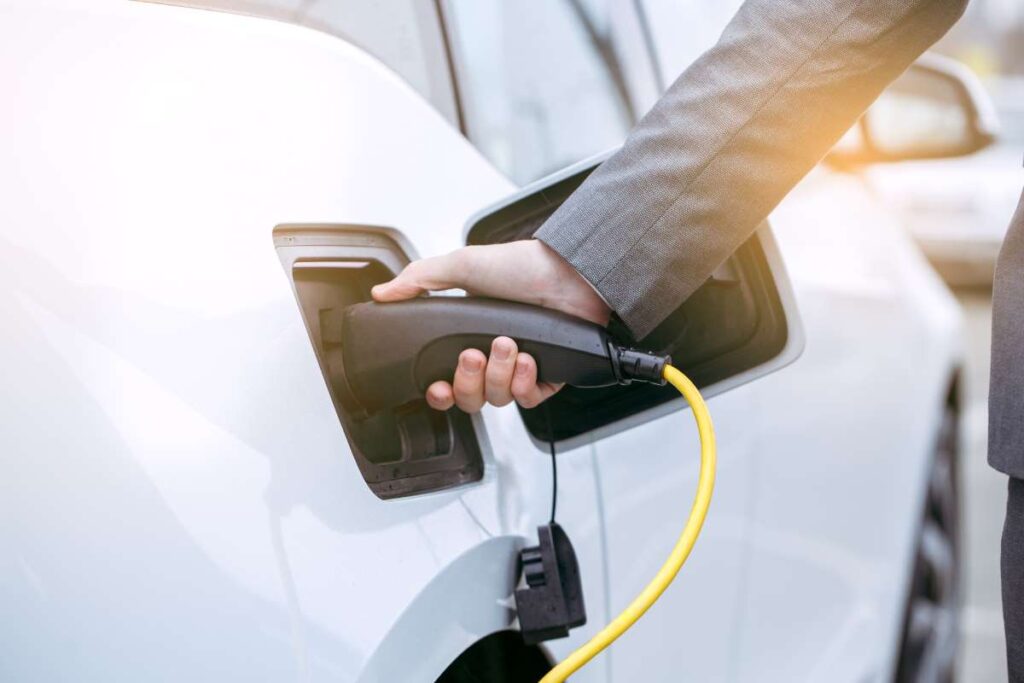
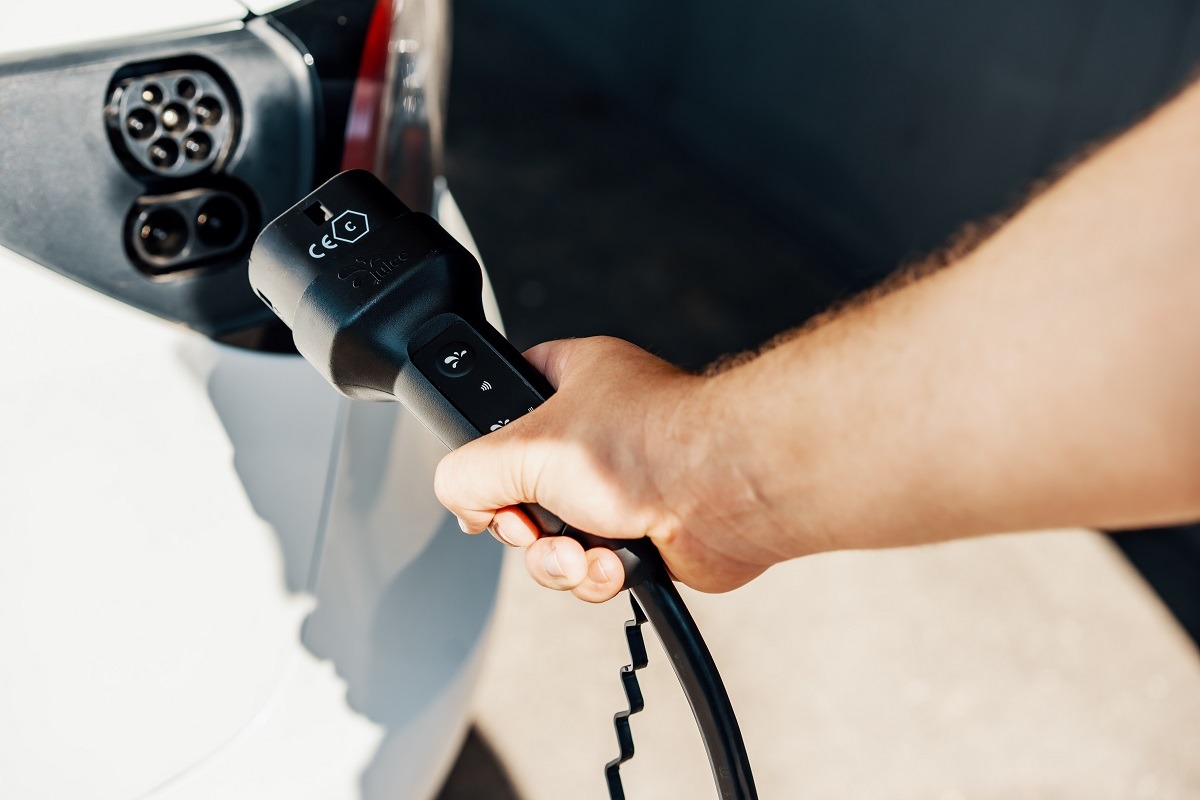
Electric cars are vehicles that are powered exclusively by an electric motor and draw their energy from a battery. Unlike conventional cars with internal combustion engines, which run on fuels such as gasoline or diesel, electric cars produce no direct CO₂ emissions, making them an environmentally friendly alternative for vehicle fleets. They are charged at a power source at home, at work, or at a public charging station.
Benefit 1: Electric cars can reduce CO₂ emissions in a vehicle fleet
Electric vehicles do not produce any direct CO₂ emissions from the exhaust while driving. Their integration can therefore help reduce the use of fossil fuels and direct emissions within a vehicle fleet. The overall carbon footprint of an electric car depends, among other factors, on the vehicle’s manufacturing process, the electricity used, and how it is driven.
For companies, electric vehicles can thus serve as a building block for pursuing specific climate and environmental goals in corporate mobility. A suitable charging infrastructure and an analysis of the respective usage patterns are important prerequisites for their effective integration into the fleet.
Electrification can also demonstrate to the outside world that a company is committed to new propulsion technologies and reducing CO₂ emissions. However, I wouldn’t promise a blanket positive effect on the company’s image, as perceptions vary among customers, employees, and business partners.

Benefit 2: Tax benefits can make the purchase more attractive
There are tax incentives for companies to purchase electric vehicles. For company-owned electric vehicles purchased after June 30, 2025, and before January 1, 2028, declining-balance depreciation over six years is permitted. In the year of purchase, 75 percent of the acquisition cost can be depreciated. This provision allows companies to claim a large portion of the investment as a tax deduction early on.
High vehicle utilization can also affect the cost-effectiveness of electric vehicles. One way this can happen is when electric vehicles are used as pool vehicles in corporate car-sharing programs. In such programs, multiple employees share the same vehicles. This can reduce downtime and increase utilization. Depending on mobility needs, a smaller fleet may therefore suffice, leading to potential savings in fleet costs.
Whether electric vehicles are economically viable as fleet vehicles, however, depends, among other things, on purchase costs, mileage, utilization rates, energy costs, and charging infrastructure.

Benefit 3: Earn Money with Electric Vehicles Thanks to the GHG Quota
One exciting way to maximize the cost-effectiveness of electric vehicles in your fleet is through trading in so-called GHG quotas. But what exactly is behind this concept, and how can you use it to earn extra money?
The abbreviation GHG quota stands for “greenhouse gas reduction quota,” which was established by the federal government to reduce environmentally harmful emissions in the transportation sector and contribute to climate protection. Oil companies that sell fossil fuels such as gasoline or diesel are required to offset their greenhouse gas emissions. To do so, they can purchase so-called emissions credits from companies that offer low-emission and zero-emission fuels. Since 2022, private and commercial owners of fully electric vehicles have also been allowed to resell the CO₂ they have saved in the form of credits.
This means you can apply for the GHG bonus once per calendar year for each electric vehicle in your fleet and earnseveral hundred euros annually. Applications for the bonus and the resale of the certificates were handled by specialized service providers.
Disadvantage 1: High upfront costs can affect the cost-effectiveness of electric cars
Electric cars may still be more expensive to purchase than comparable vehicles with internal combustion engines. For businesses, this initially means a higher upfront investment, which can have a significant impact on total costs, particularly for larger fleets.
Whether an electric car is cost-effective in the long run, however, does not depend solely on the purchase price. Energy costs, maintenance, mileage, and depreciation should also be factored into the cost-effectiveness analysis. It is therefore not possible to make a blanket statement that electric vehicles are not worth it because of their purchase price.
Fleet management software can help track relevant costs transparently and compare the total costs of the vehicles.

Disadvantage 2: Limited ranges have an impact on efficiency
Another drawback of electric vehicles is their range, which is often significantly shorter than that of internal combustion engine vehicles. This can significantly impair efficiency, particularly for companies whose fleets rely on long-distance travel and a high degree of flexibility. The range of electric cars varies widely. Factors such as the model, temperature, load, and driving behavior play a major role here. In winter or during intensive use—such as in delivery operations—the actual range can be significantly lower than the manufacturer’s specifications. Fleet managers must plan carefully and account for additional charging stops. This can lead to delays in operations.
In addition, a poorly developed charging infrastructure can lead to problems. In many regions, fast-charging stations are still in short supply. In these areas, drivers must plan for longer wait times and additional detours. Particularly for business trips or long-distance deliveries, where time is of the essence, the lack of charging infrastructure can significantly limit mobility. For fleets with specific needs in this area, electric cars are often not a viable option. In companies that rely on long trips and rapid operational readiness, the limited flexibility can have a massive impact on cost-effectiveness.

Disadvantage 3: High fast-charging costs can affect cost-effectiveness
Charging costs have a significant impact on the operating costs of an electric vehicle. Public fast charging, in particular, can be significantly more expensive than charging at a company’s location or using a private wallbox. For companies that regularly rely on public fast-charging infrastructure, this can result in higher energy costs.
This applies, for example, to field service vehicles or other types of vehicles that cover long distances daily and have short downtime periods. The extent to which fast-charging costs affect cost-effectiveness depends, among other things, on the charging rate, the charging location, energy consumption, and mileage.
For a meaningful comparison, therefore, the Total Cost of Ownership (TCO) should be considered. In addition to the purchase price, it also takes into account ongoing expenses such as energy, maintenance, insurance, and depreciation. Fleet management software can help track these costs centrally and compare different vehicles and powertrain types.
Conclusion: Is an electric car a good investment for a fleet?
Whether electric vehicles are a worthwhile addition to a fleet depends heavily on the specific usage profile and total costs. Benefits may include tax incentives, lower maintenance costs, and a reduction in direct CO₂ emissions during operation. The GHG quota can also offer an additional financial benefit.
On the other hand , depending on the vehicle and how it is used , there are higher purchase costs, requirements for the charging infrastructure, and costs for public fast charging. Range and charging times should also be taken into account when selecting a vehicle.
There is therefore no one-size-fits-all answer to the question , “Is an electric car worth it?” Companies should consider the purchase price, mileage, energy and maintenance costs, charging infrastructure, and vehicle usage as a whole. An analysis of the total cost of ownership helps determine for which vehicles and usage profiles electrification makes economic sense and how it can be integrated into the mobility of the future.
FAQ – Is an electric car worth it?
Yes, an electric car can be a good choice as a company car, as it offers tax benefits for both the company and its employees and helps strengthen the company’s image as a sustainable business.
An electric car is especially worthwhile if you have access to affordable charging options and can take advantage of government incentives and tax breaks. In addition, maintenance costs are lower because there are no oil changes and fewer wear-and-tear parts. After about 4–7 years, the lower operating and maintenance costs offset the higher purchase price.
The cost of electricity for a 100-km drive in an electric car can vary widely. It depends on current electricity prices and energy consumption, which in turn depends on the model, the route, and the temperature. On average, you can expect to pay between €6.40 and €11.60 per 100 km.
More Articles on Electric Mobility
- Sustainable Mobility in the Fleet: The Electrification of Fleets
- Electric Mobility in Fleet Management: Challenges and Responsibilities for Fleet Managers
- Mobility of the Future: 5 Trends for the Fleet
- Electric Mobility in the Workplace: Five Key Points of a Fleet Analysis
- Vehicle management: efficient processes for a modern vehicle fleet