- A fleet comprises all of a company’s vehicles. Efficient fleet management provides cost transparency, supports compliance with legal requirements, and helps ensure that vehicles are used in a cost-effective manner tailored to actual needs.
- The demands on modern fleets are increasing: operating costs, compliance, electrification, energy consumption, and CO₂ emissions must all be monitored. Software solutions provide the necessary transparency and help manage these various challenges efficiently.
- The decisive factors when choosing software are scalability, user-friendliness and the integration of processes so that fleet stakeholders can increase efficiency and create transparency.
Up to 20% in potential savings for your fleet—why do companies rely on digital systems like Carano Fleet+ from CarWise?
For many companies, their own vehicle fleet plays a key role in their daily operations, as it ensures employee mobility, enables the transportation of goods or the provision of services. Efficient fleet management is therefore all the more important in order to improve profitability and achieve business goals.
The focus is not only on managing the vehicles, but also on strategic planning to reduce costs and optimize processes. Factors such as fuel and energy consumption, maintenance, and the use of modern technologies can influence a fleet’s efficiency, costs, and CO₂ emissions.
In this article, you’ll learn about the different types of fleets and the challenges fleet managers face.
Contents
- 1. Fleet management is becoming a strategic success factor
- 2. What is a Vehicle Fleet?
- 3. What types of fleets are there?
- 4. What fleet tasks are there?
- 5. What challenges exist in the fleet?
- 6. What role do technologies play in the vehicle fleet?
- 7. From Data to Decisions: How CarWise Brings Transparency to Fleets
- 8. Digital fleet: How can fleet management software help with administration?
- 9. What are the fleet costs made up of?
- 10. Why there is often a lack of transparency about fleet costs
- 11. Vehicle fleet and insurance: How are company vehicles adequately insured?
- 12. What does the future hold for the vehicle fleet?
Fleet management is becoming a strategic success factor
In many companies, the vehicle fleet is still primarily viewed as an operational unit. In practice, however, there is a clear change: the management of vehicles, costs and processes is increasingly becoming a strategic task.
Digitalization is a key driver for this. Modern systems make it possible not only to collect data, but also to actively use it. This allows maintenance cycles to be optimized, costs to be identified at an early stage and processes to be designed more efficiently.
Current figures show just how big the impact of digital solutions is:
According to a study, companies can reduce their maintenance costs by up to 20% by using fleet management software, particularly through preventive maintenance and automated alerts.
(Source: Gitnux, 2024)
For fleet managers, this means that those who do not manage their fleet based on data are missing out on measurable savings potential and strategic advantages.
What is a Vehicle Fleet?
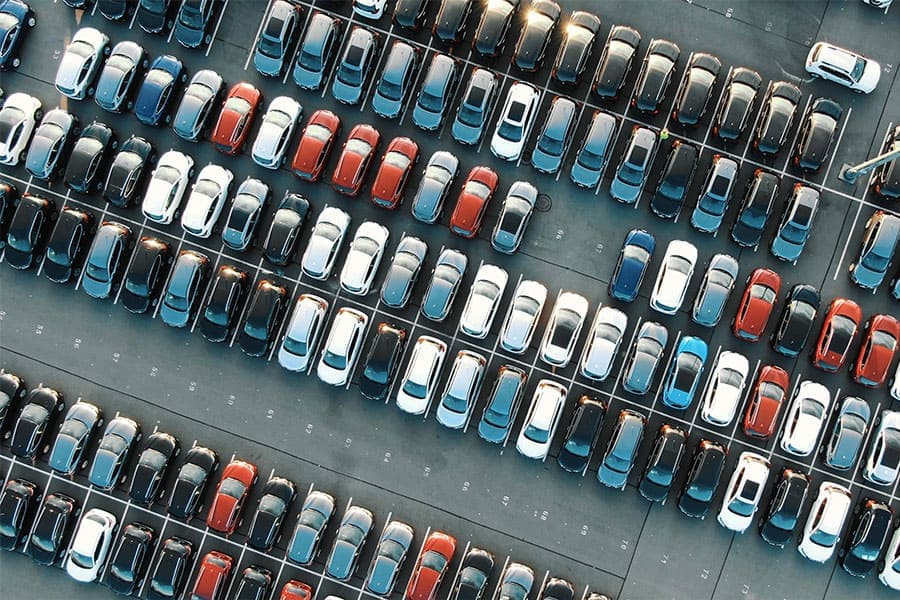
A fleet is a set of vehicles that companies use for various purposes, such as transporting goods or providing services. A fleet can consist of company cars, pool vehicles, light commercial vehicles, trucks and other special vehicles, depending on the operational requirements. Company bikes can also be part of the mobility concept in the fleet.
The vehicles in the fleet are not always road-legal. Some commercial vehicles, such as forklift trucks or excavators, for example, are only used for journeys within the company premises.
What types of fleets are there?
There are different types of vehicle fleet. In general, a distinction is made between
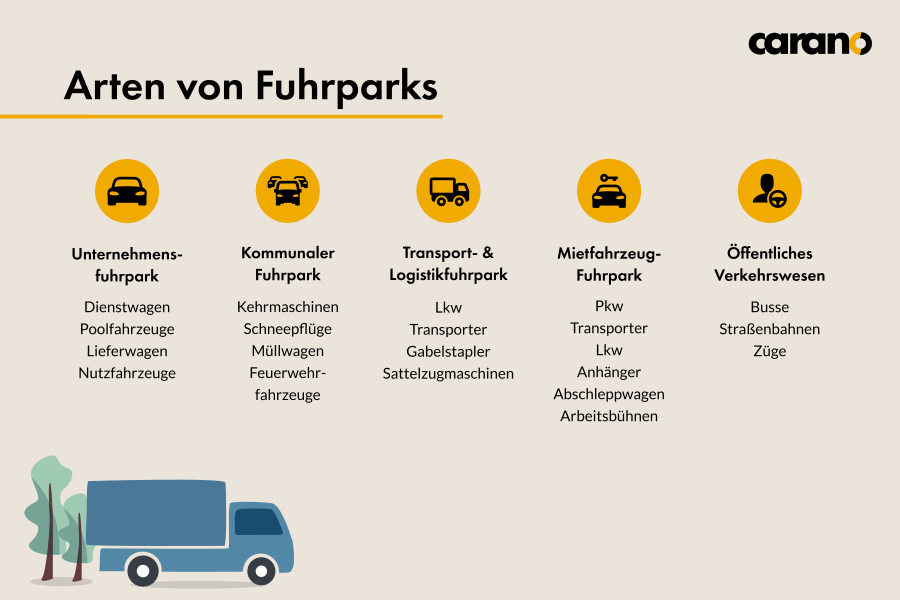
- Company fleet: Such a fleet consists of vehicles that companies use for business purposes. In addition to passenger cars, this also includes delivery vans, commercial vehicles and special vehicles for transporting goods or equipment. Vehicle requirements vary greatly depending on the sector and size of the company. While smaller companies often rely on a manageable number of company cars, larger companies require an extensive fleet that is individually tailored to different areas of use.
- Municipal vehicle fleet: Municipal companies and local authorities use vehicles for various public services. They are essential for maintaining the municipal infrastructure and services. This includes, for example, road sweepers, snow plows and garbage trucks, but also fire trucks and ambulances for emergency operations.
- Transport and logistics fleet: Companies operating in the logistics or delivery sector operate fleets consisting mainly of larger commercial vehicles such as tractor units and trucks. These are used to transport goods over long distances. Factors such as the payload, fuel efficiency and reliability of the vehicles play a key role in making supply chains efficient and reducing costs.
- Rental vehicle fleet: Car rental companies often have large fleets consisting of different types of vehicles that are rented out.
- Public transportation: Local and long-distance public transport fleets are made up of buses, streetcars and trains and are used to transport people. These fleets are essential for the mobility of the population and play a key role in reducing individual traffic. Continuous maintenance and modernization are necessary to ensure reliable operation.
What fleet tasks are there?
The fleet management team is usually responsible for coordinating the fleet. The associated fleet management tasks are complex: in addition to procuring additional vehicles and choosing the right financing model, the fleet manager must ensure that all vehicles are roadworthy and ready for use. This includes regular maintenance and inspections as well as the right insurance cover.
The aim is to ensure the efficient use of vehicles and to meet operational requirements. The most important fleet tasks include:
- Procurement and selection of vehicles that meet the company’s operational requirements, budget and environmental goals
- Organization of regular maintenance and servicing work as well as necessary repairs to keep the vehicles safe and functional
- Monitoring and controlling operating costs, which include, for example, fuel expenses and costs for insurance, repairs and service contracts
- Compliance with legal regulations, such as ongoing driver’s license checks, driver training in accordance with UVV or necessary insurance requirements
- Handling claims , communicating with insurance companies and, if necessary, providing replacement vehicles
- Collecting and processing data to generate reports and make decisions based on data analysis
- Incorporating climate and environmental goals into the vehicle fleet, for example through measures to reduce CO₂ emissions, the integration of electric vehicles, or the use of alternative fuels
- Introduction and management of fuel cards to efficiently monitor fuel consumption and ensure transparent cost control
- Planning and optimizing vehicle usage to minimize downtime and maximize fleet utilization
What challenges exist in the fleet?
Managing a fleet requires strategic planning, careful cost control, and the targeted use of modern technologies. Since a fleet can represent a significant cost factor for a company, efficient fleet management plays a crucial role in identifying cost-saving opportunities while ensuring operational mobility.
Fleet managers must not only organize vehicles and their use, but also handle numerous other tasks:
- Cost management: Fleet managers must continuously monitor operating costs, including fuel, maintenance, repairs and insurance. High fuel prices and unforeseen repair costs can put a heavy strain on the budget.
- Vehicle maintenance and servicing: The vehicles in the fleet must be serviced regularly in order to avoid downtime and expensive repairs and to increase the service life of the vehicles.
- Comply with legal regulations: There are numerous legal regulations to be observed in the vehicle fleet. These include, for example keeper liability obligations , emission standards or working time regulations.
- Climate and Environmental Goals: Many companies are increasingly taking CO₂ emissions, as well as fuel and energy consumption, into account when managing their fleets. A Sustainable fleet management can include various measures to influence these metrics, such as the integration of electric vehicles or other alternative propulsion systems.
- Driver management and training: Drivers must be continuously trained in the safe handling of company vehicles and how to behave in the event of accidents as part of accident prevention driver training. In addition, fleet managers must ensure that employees are in possession of a valid driver’s license.
- Managing corporate mobility: Fleet managers are increasingly taking on the tasks of mobility managers. They manage all operational mobility and ensure that the requirements and needs of employees are met.

What role do technologies play in the vehicle fleet?
A variety of technologies can be used in a fleet to increase efficiency and safety and simplify management. For fleet managers, this means selecting digital tools that align with the fleet’s operational goals and needs. Among the most commonly used solutions are:
- Fleet management software: Facilitates data processing, identifies cost drivers and supports compliance with owner liability obligations
- Telematics systems: Provide detailed insights into the performance of the vehicles in the fleet by centrally maintaining data relating to vehicle diagnostics, fuel consumption and driver behavior and serving as a basis for fleet analysis
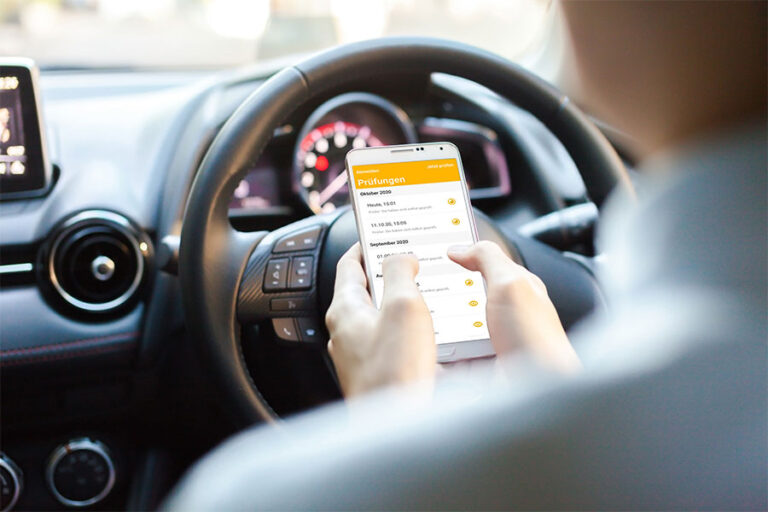
- Mobile apps and communication systems: Simplify communication between drivers and fleet management and offer a high level of user convenience, for example when checking driving licenses via smartphone app
- GPS tracking systems: Can enable real-time location and tracking of vehicles to optimize routes, monitor vehicles and protect them from theft
From Data to Decisions: How CarWise Brings Transparency to Fleets
Today, digital technologies provide an enormous amount of data, but it is crucial to use it sensibly.
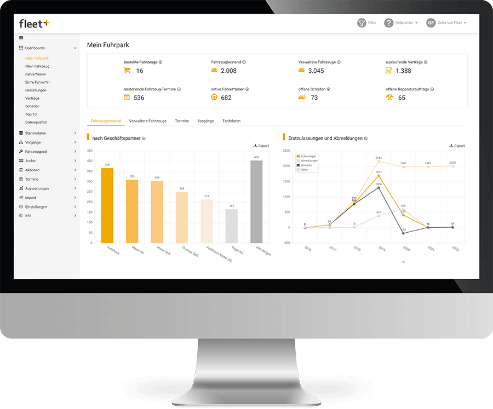
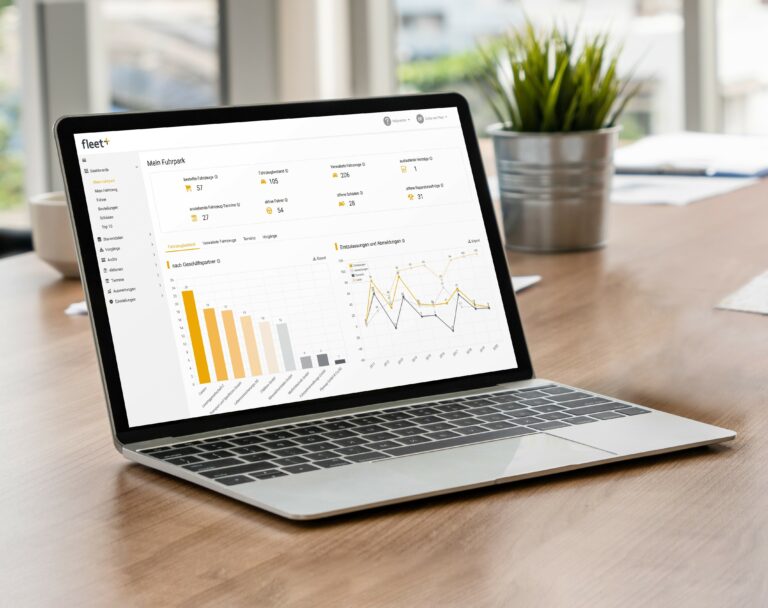
This is exactly where solutions like CarWise’s Carano Fleet+ come in . Instead of isolated, standalone solutions, they provide a centralized fleet management software platform that brings together all relevant information: vehicles, costs, contracts, schedules, and drivers.
The difference lies not only in the data collection, but also in the evaluation:
- Cost trends become visible at an early stage
- Maintenance can be planned proactively
- Decisions are based on reliable key figures
This creates a clear advantage for companies: the vehicle fleet is not only managed, but actively controlled.
Digital fleet: How can fleet management software help with administration?
Fleet management software offers comprehensive support and optimization options for fleet management. It can be used to automate routine manual tasks. This saves time and reduces fleet costs.
On the other hand, fleet management software significantly simplifies data collection and maintenance, such as reconciling odometer readings. All information is stored in a central location, and all stakeholders can access it—based on individual permissions. This data, in turn, provides the basis for detailed reports and analyses on various aspects of the fleet, such as fuel consumption, costs, or CO2 emissions. This makes it easy to identify cost drivers within the fleet and derive optimization measures from them.
Fleet software also speeds up claims management considerably. All information is collected in a digital claims file and communication with insurance companies is simplified. Software also helps with compliance with legal regulations and reminds you of important dates in the fleet, such as driving license checks, general inspections or MOT appointments. Another advantage of fleet management software is the ability to carry out comprehensive optimizations in fleet management. Especially for companies with many company cars, it enables efficient monitoring and control of all vehicles. The software not only helps to reduce costs, but also to ensure that the fleet is ready for use at all times.
What are the fleet costs made up of?
The total costs in the vehicle fleet are also known as the Total Cost of Ownership (TCO) is also referred to as TCO. A careful analysis of fleet costs helps to identify the most cost-effective vehicles and better control expenditure. The TCO is made up of all the costs associated with owning and operating a vehicle over its entire life cycle. These include, among others:
- Acquisition costs (purchase price or leasing installments)
- Financing costs (interest for financing or leasing)
- Operating costs (fuel, maintenance and repairs, tires, etc.)
- Tax and insurance costs (motor vehicle tax, motor vehicle liability and comprehensive insurance)
- Administrative costs (personnel costs, IT systems)
- Depreciation (loss of value of the vehicle)
Why there is often a lack of transparency about fleet costs
Many companies are aware of their fleet costs – but only in part. Individual cost centers such as leasing rates or fuel are visible, but a holistic view is often missing.
This leads to the fact that:
- hidden costs are not recognized
- Savings potential remains untapped
- strategic decisions are made more difficult
Only through structured and digital fleet management is it possible to link all cost factors together and present them in a completely transparent manner.
With a central solution such as Fleet+, not only can total costs be recorded, but trends can also be analyzed – for example by vehicle type, location or usage. This turns the fleet into a controllable unit and not just a cost center.
Vehicle fleet and insurance: How are company vehicles adequately insured?
Adequate insurance for the vehicles in the fleet is important for the protection of employees, vehicles and the company. A careful analysis of the specific requirements and risks in fleet management forms the basis for choosing the right insurance. It is important to check not only the sums insured, but also possible additional benefits such as breakdown assistance, cover abroad or cover for company cars that are used privately. In addition, bundling insurance policies for the entire fleet can offer considerable advantages, such as lower premiums or simplified processing in the event of a claim.
You should consider the following steps when choosing a suitable fleet insurance policy:
- Choose the right type of insurance: There are different types of vehicle insurance, such as third-party liability, partially comprehensive or fully comprehensive. While some insurance policies are compulsory, you can decide on others according to your needs and individual requirements.
- Have fleet details ready: Compile all relevant information about the vehicles. This includes the model, age, engine power and vehicle use. The type of use or deployment is also very important. This information will help with the precise calculation of insurance costs later on.
- Compare offers: Compare the various offers carefully in terms of scope of cover, costs and additional benefits to find the right one for you. To do this, obtain several quotes from different insurance providers.
- Specialized fleet insurance: This offers tailor-made insurance cover for company vehicles and covers a wider range of damage and risks. The conditions are often even more favorable.
- Supplementary insurance: Check whether there is a need for additional insurance benefits. Passenger accident insurance or special insurance policies for cargo are helpful to cover other areas of the fleet.
- Regular review: Check the insurance conditions on an ongoing basis. Particularly after changes to the vehicle fleet or adjustments to operational requirements, you should ensure that the insurance cover is still sufficient.

What does the future hold for the vehicle fleet?
Technological advancements and new mobility requirements are shaping the future of mobility. Electrification and alternative powertrains are gaining importance and can help reduce the use of fossil fuels and CO₂ emissions in vehicle fleets. At the same time, concepts such as corporate carsharing enable higher utilization rates for existing vehicles.
The role of the fleet manager is also changing. In addition to traditional vehicle management, the focus is increasingly shifting toward managing various mobility options, such as carsharing, public transportation, or mobility budgets can complement the traditional company car and offer employees greater flexibility.
Digital technologies and the IoT also create new opportunities for vehicle management. Vehicle and usage data can be automatically collected and analyzed. This enables fleet managers to identify trends early on, optimize processes, and make decisions based on up-to-date data.
Scalable software solutions support both smaller fleets and large vehicle fleets and can be adapted to meet a variety of requirements.
FAQ – Vehicle Fleet
A vehicle fleet includes all vehicles used by a company for operational purposes. These can be company cars, pool vehicles, vans or heavy commercial vehicles. Company bicycles can also be part of a fleet. Not all of the vehicles need to be road-legal.
For many companies, a vehicle fleet helps meet operational needs and ensure employee mobility. Careful management can reduce costs and streamline processes.
Larger companies usually assign the management of the fleet to a fleet manager who works closely with the management and other departments, such as accounting and purchasing. In smaller companies, the management or another employee often takes responsibility for the fleet, performing this task in addition to their other activities.
Efficient fleet management ensures the optimal use, maintenance and cost control of vehicles, reduces risks and ensures compliance with legal requirements.
Electrification, alternative drives, IoT integration, data-based analyses, corporate car sharing and sustainable mobility concepts will increasingly shape the vehicle fleet.
Fleet management software bundles all vehicle, driver and cost data centrally in one place. It automates processes such as appointment monitoring, maintenance or driver’s license checks, thus ensuring greater transparency and less manual effort in the fleet.
The first step is to analyze existing processes. Data, appointments and documents are then transferred to a central software solution. Systems such as Fleet+ from Carano enable step-by-step digitalization so that existing processes can be optimized in a structured manner.
Excel is suitable for small fleets with just a few vehicles, but quickly reaches its limits. Specialized software solutions such as Fleet+ offer automation, central data management and better evaluation options – and are therefore significantly more efficient and scalable.
It reduces manual processes, prevents data chaos and creates clear structures in the fleet. At the same time, it helps to make costs transparent, reliably meet deadlines and reliably implement legal requirements.