Fuel prices are rising steadily, for example due to increases in the CO2 tax. As a result, corporate fuel cards have become an indispensable tool for fleet managers to keep track of expenses for gasoline, diesel, and other fuels. In this article, you’ll learn how corporate fuel cards work, why it makes sense to provide employees with fuel cards, and what you should keep in mind when doing so.
Contents
- 1. What is a fuel card?
- 2. How does a fuel card work?
- 3. What are the benefits of fuel cards for companies?
- 4. How much do fuel cards cost for businesses?
- 5. How can corporate fuel cards be integrated into fleet management?
- 6. Implementing Fuel Cards for Businesses: What You Should Keep in Mind
- 7. What should companies with electric vehicles keep in mind when it comes to fuel cards?
What is a fuel card?
Corporate fuel cards are a specialized payment method that allows drivers of company vehicles to purchase fuel at gas stations or pay for other vehicle-related services without having to use cash or traditional credit cards. A fuel card for employees therefore works much like a credit card that is accepted exclusively by gas stations and other authorized merchants. In principle, fuel cards are worthwhile even for a single vehicle.
How does a fuel card work?
The use of fuel cards for companies generally works as follows:
- Issuance and Assignment: The company receives fuel cards from a fuel card provider that are issued for its fleet. Each card can then be assigned to a specific driver or vehicle.
- Usage: The employee fuel card can be used for fuel, charging electric vehicles, and other vehicle-related services such as oil changes or car washes.
- DataCollection : When the card is used, data such as the date, time, location, and amount of the transaction is collected. This data is then provided to the company for billing purposes.
- Billing and Analysis: Corporate fuel cards make it possible to centrally manage and monitor all fuel expenses. This simplifies cost control and budgeting for fuel expenses.
What are the benefits of fuel cards for companies?
Fuel cards for companies offer numerous benefits to both employers and employees.
Cost Control and Transparency
Company fleet managers use fuel cards to keep track of fuel consumption and expenses for each driver and vehicle. Through invoices and reports, fuel consumption can be analyzed, inefficient driving habits identified, and appropriate measures taken to optimize performance. For example, savings can be achieved when drivers take into account gas station prices at different times of the day.
Less administrative work
Instead of dealing with time-consuming expense reports and collecting receipts, fleet managers can access electronic transaction data that is automatically imported into the accounting or fleet management system. This saves time and significantly simplifies administration, since fuel costs no longer need to be entered manually into a system.
Flexibility and Comfort for Drivers
Corporate fuel cards are accepted by a wide range of gas stations and retailers. This gives drivers the flexibility to refuel at various locations. To make the fueling and charging network even more extensive, there are so-called cross-acceptance agreements. This means that different providers cooperate with one another so that drivers can use their fuel cards to pay at other companies’ gas stations as well.
Since billing is handled through the employer, employees use their fuel cards to fill up their vehicles at the company’s expense. If refueling a personal vehicle is also permitted, 44 euros per month are tax-free—provided this amount has not already been used up by other non-cash benefits.
Additional Features and Services
Some corporate fuel cards offer additional features and services. These include GPS systems for vehicle tracking, monitoring of maintenance intervals, and route planning. These features enable fleet managers to increase efficiency and reduce operating costs.
In addition, services can be customized individually for each card and driver: Which products can be purchased at the gas station store, and within what price range? At what times and where can fuel be purchased?
Security and Control
Security features such as PIN codes and fuel limits prevent unauthorized use of corporate fuel cards and fraud involving them. Fleet managers can configure custom settings to monitor the refueling process and limit fuel consumption.
How much do fuel cards cost for businesses?
The cost of fuel cards can vary depending on factors such as the fuel card provider, the selected services, and the number of fuel cards. While some providers offer the cards for free , others charge a service fee per transaction, which is calculated as a percentage of the transaction amount. In addition, some providers charge a monthly fee. Depending on the provider and the card, this can range from 1 euro to 6 euros per month.
Depending on the size of the company and usage, some fuel card providers also offer discounts on fuel prices or the option to bill for other vehicle-related expenses —such as tolls or repairs—in addition to fuel costs.
The minimum number of cards required and the minimum sales volume vary by provider. Truckers should carefully analyze their needs in order to choose the right type of card.
How can corporate fuel cards be integrated into fleet management?
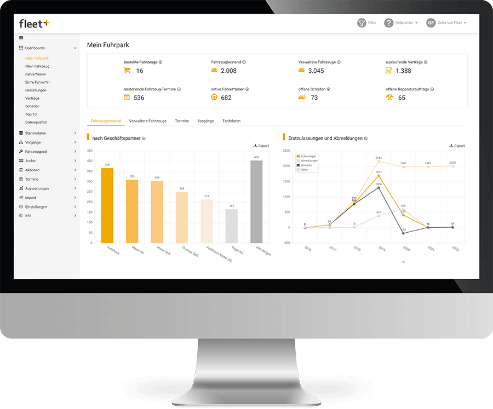
For a comprehensive view of operating costs, it is advantageous to be able to import fuel data and costs into your fleet management system. This makes budget control much easier, especially when dealing with complex pricing and gas station structures. Use the relevant analysis features to monitor fuel consumption, expenses by vehicle or driver, consumption trends, and much more. This information helps you identify potential savings and develop effective measures for cost optimization.
Our Carano Fleet+ fleet management software features import interfaces for all major fuel card providers for business customers, such as UTA, DKV, Shell, Aral, and Esso. The imported fuel data and costs are directly assigned to the corresponding vehicles. Comprehensive reports provide you with an overview of the cards used, fuel costs, comparisons, and anomalies. You can also record lost fuel cards and card suspensions.
Implementing Fuel Cards for Businesses: What You Should Keep in Mind
When introducing fuel cards into their fleets, companies should consider various factors. This will help ensure that administration and cost control are streamlined and that drivers can use the cards safely and easily. In general, the following points should be taken into account during implementation:
- Choosing the Right Provider: Which provider meets your needs? Compare terms, fee structures, and additional services to find the best fuel card for your business.
- Acceptance Locations and Network: Check the network of gas stations and retailers that accept the card. A broad network allows drivers to refuel at many different locations.
- Costs and Discounts: It’s not just the cents per liter that matter, but the overall cost structure of the employee fuel card. This includes setup fees, monthly base fees, and transaction fees. Also check whether the provider offers discounts or special rates on fuel or other products and services.
- Security: Make sure that corporate fuel cards have appropriate security measures in place to prevent unauthorized use or fraud. These include PIN codes, fuel limits, and the ability to block lost or stolen cards.
- Customer Support: The provider should offer reliable customer support. If you have questions, encounter problems, or lose company fuel cards, it’s important to receive assistance quickly. Check the availability of customer support and the services offered.

Richtlinien für Tankkarten im Unternehmen
There is a risk that employees may use the cards to refuel for non-business purposes. Loss or theft can also lead to unwanted expenses if the card is not blocked in a timely manner. That is why it is important to establish clear guidelines for the use of fuel cards, conduct regular checks, and train employees.
What should companies with electric vehicles keep in mind when it comes to fuel cards?
Fuel cards for companies with electric company vehicles are tailored to the specific needs of electric mobility. Charging stations are available in public places such as parking lots, shopping centers, or rest stops. To use a charging station with a fuel card, the user must authenticate the card at the charging station. The charging station recognizes the fuel card and grants access to the charging infrastructure. During the charging process, the charging station records, for example, the charging duration and the amount of energy consumed, and uses this data for billing.
Fuel cards for companies with electric fleets are often linked to a charging network and provide access to these charging stations, regardless of the operator. Some fuel cards for companies with electric vehicles offer additional services, such as route-planning tools that show the nearest charging stations or access to charging stations with faster charging capabilities. Here, too, it is important to compare the exact features, terms, and charging networks of the corporate fuel card providers.
Conclusion: Fuel Cards in Companies
Corporate fuel cards offer many benefits to companies. Cost control, flexibility, and security are just a few of the advantages. Fleet managers should evaluate providers and their terms to avoid unnecessary costs and enhance convenience.
With the right fuel card for employees, you can manage your fleet more efficiently, reduce fleet costs, and ensure smooth operations. By importing fuel data into fleet management software, you can get an even quicker overview of total operating costs.
Learn more about fuel data management with our Carano Fleet+ fleet management software .