Fleet Management Reimagined: Why Do 52% of Companies Improve Their Service Quality Through Digital Solutions Like CarWise?
Fleet management is facing a fundamental change in many companies. Rising costs, more complex requirements and growing volumes of data are making vehicle management increasingly challenging. What used to be organized using spreadsheets and individual processes is now developing into a central control instrument for efficiency and profitability.
Structured fleet management is no longer just about smooth processes in the fleet, but also about cost control, transparency and competitiveness. Digital solutions are playing an increasingly important role here, as they make it possible to bundle processes, evaluate data and make well-founded decisions for the entire vehicle fleet.
In this article, we look at the basics of fleet management, provide an insight into the most important processes in the vehicle fleet and highlight current developments.
Contents
- 1. What is fleet management?
- 2. Fleet management: managing a fleet efficiently
- 3. More Efficiency and less Effort thanks to Digital Fleet Management
- 4. Digital Fleet Management: The Benefits of Fleet Management Software
- 5. The most Important Fleet Management Tasks
- 6. From operational management to data-based control
- 7. Legal regulations in fleet management
- 8. Reducing CO₂ Emissions and Energy Consumption in the Vehicle Fleet
- 9. From Fleet Manager to Mobility Manager: how the Role in the Fleet is Changing
- 10. Why modern fleet management reaches its limits without software
What is fleet management?
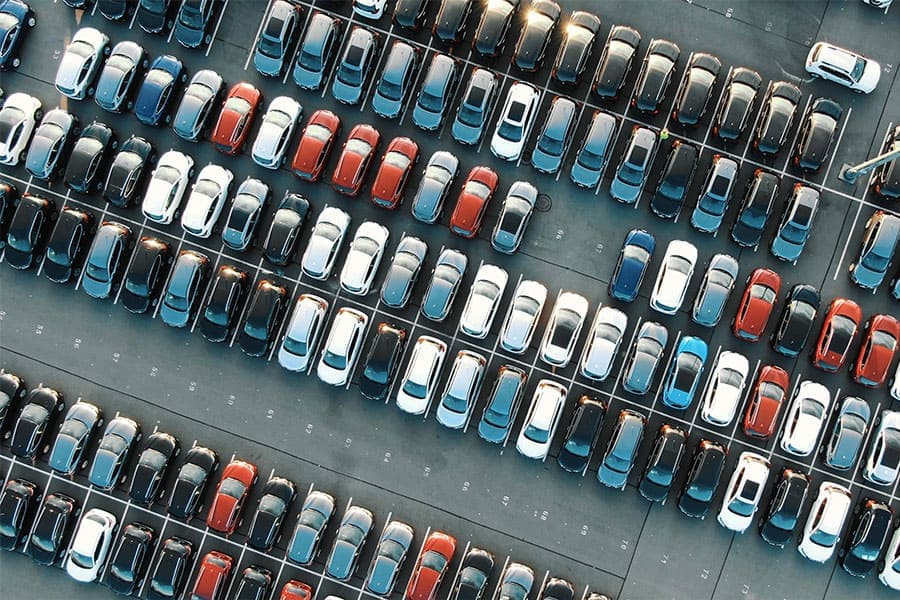
The term fleet management, also known as vehicle fleet management, describes the efficient management and control of a group of vehicles used by a company or organization for business purposes. A vehicle group can consist of different types of vehicles, including cars, trucks, vans, buses or specialized means of transport.
The main objective of vehicle management is to ensure the smooth running of fleet operations. At the same time, the costs of the vehicle group should be minimized, performance increased and operational requirements met. In addition to data maintenance, fleet management also includes the procurement of new means of transport, the handling of damage, fuel management and compliance with legal requirements.
Successful fleet management relies on modern technologies and well-thought-out strategies to meet the ever-growing demands of the market and strengthen the company’s long-term competitiveness.
Fleet management: managing a fleet efficiently
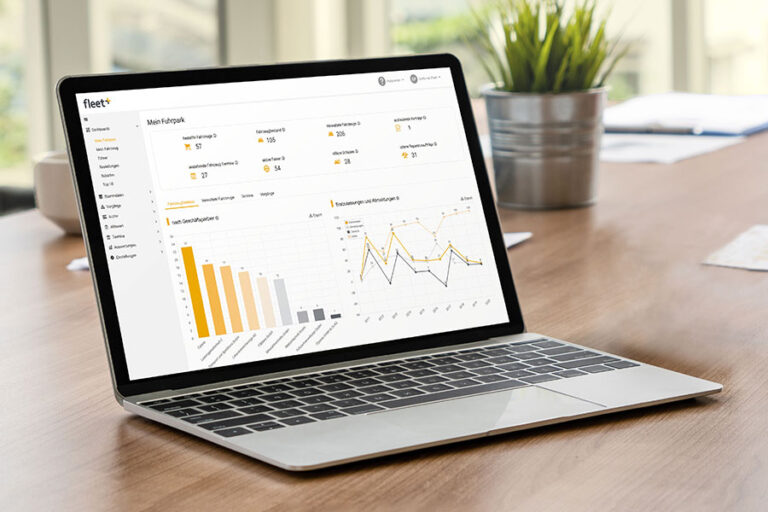
To manage a vehicle fleet efficiently and in an organized manner, careful planning, clear strategies, and the use of appropriate digital tools are required. A Fleet management software enables fleet managers, for example, to manage and analyze all relevant data. By automating fleet management tasks, administrative workloads can be significantly reduced and costs saved. Analyzing the data also enables well-informed decisions to be made regarding the strategic management of the fleet.
With clear guidelines for the use of vehicles in the fleet – a so-called car policy – you create a binding set of rules for all employees. Misunderstandings and conflicts can thus be prevented. Among other things, a car policy should define who is authorized to drive company vehicles, whether the vehicles may also be used for private purposes and who is liable in the event of accidents and damage to the vehicle.
And make sure your vehicles are optimally utilized. This can mean a car sharing concept in which the vehicles are shared. This not only increases utilization, but can also help reduce the overall number of vehicles.
A fleet management system is an indispensable tool for optimizing the monitoring of transport vehicles. Most of them enable detailed vehicle tracking in real time, which significantly improves route planning and fleet performance. Automated monitoring of maintenance intervals and operating data reduces downtime and simplifies control, which increases productivity and minimizes costs.
More Efficiency and less Effort thanks to Digital Fleet Management
Digital fleet management relies on the use of digital technologies and software solutions to manage a vehicle fleet. This digital transformation enables companies and organizations to manage their vehicles more effectively, reduce costs, and improve fleet safety. In addition, fleet management software helps transparently analyze energy consumption and CO₂ emissions and track corresponding climate and environmental goals for the fleet.
Fleet management as a competitive advantage: why data is becoming increasingly important
Fleet management is increasingly evolving from an operational task to a strategic success factor. Companies that manage their vehicles, costs and processes based on data not only benefit internally from greater efficiency, but also externally from better processes.
A recent study shows that 52% of fleet managers have noticed an improvement in service quality through the use of digital technologies.
(Source: Gitnux, 2024)
This has a direct impact on customer satisfaction, especially in industries with high vehicle utilization. Faster response times, better planned deployments and fewer breakdowns ensure more stable processes.
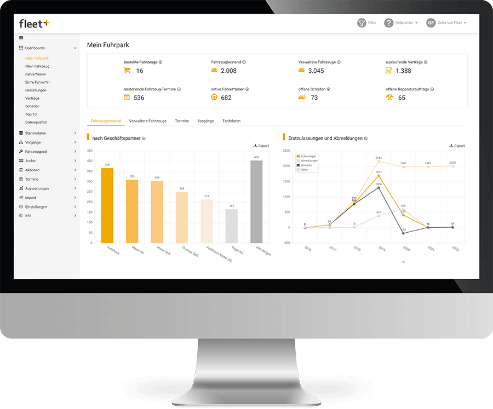
Digital solutions such as CarWise’s Carano Fleet+ lay the groundwork for this. They connect operational processes to a central database, making it possible not only to manage the fleet but also to actively control it.
Digital Fleet Management: The Benefits of Fleet Management Software
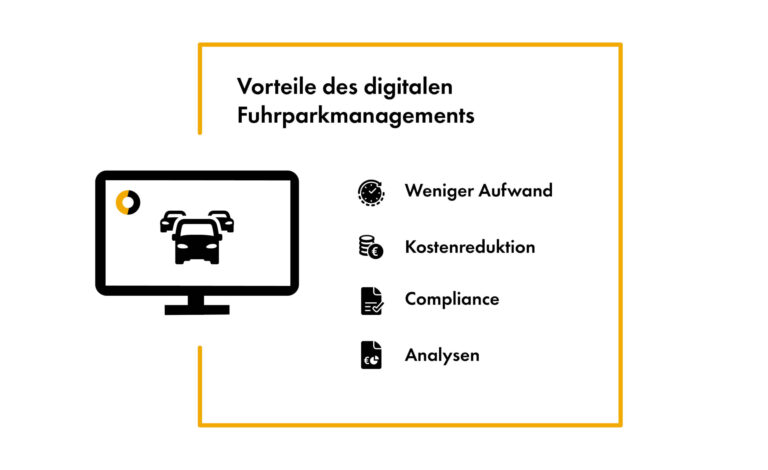
Fleet management software helps to keep vehicle operations running smoothly and to keep an eye on the status of the transport group. However, it also offers numerous other advantages:
- Cost reduction: By monitoring and analyzing all costs such as maintenance, fuel and consumption, companies can reduce operating costs.
- Compliance and reporting: Digital fleet management facilitates compliance with regulatory and reporting requirements. Companies can, for example, carry out Electronic driver’s license checks and UVV driver training and generate reports based on all the data to ensure that they comply with the applicable regulations.
- Data-driven decisions: The collected data can be used for data-driven decisions, to improve business processes and to comply with the fleet strategy.
- Less effort: Automating fleet management tasks significantly reduces the manual administration effort and improves the accuracy of the data. Digital fleet management solutions also increase fleet performance.
The most Important Fleet Management Tasks
Fleet managers are responsible for a wide range of tasks and processes. A company’s vehicle fleet can represent a significant cost factor and requires structured management. Vehicle administration, cost control, scheduling, and compliance with legal requirements can take up a great deal of time and resources. Among the key fleet management tasks include the following areas of activity:
Procurement Management
A key task in fleet management is the procurement of new vehicles. Which vehicles are suitable depends on the company’s operational requirements, intended use, and mobility needs. The appropriate financing option—whether purchase, lease, long-term rental, or car subscription—should also be selected with due consideration of the respective costs and general conditions.
Service and Maintenance
Regular maintenance and servicing of motor vehicles are essential for maintaining their reliability and extending their service life as long as possible, as well as for preventing costly repairs. An effective maintenance program also helps minimize unplanned downtime.
Another important aspect of maintenance is vehicle safety. Regular checks help to identify safety risks such as worn brakes or defective lighting at an early stage. This not only protects the occupants, but also promotes road safety. In addition, complete documentation of maintenance work ensures value retention and supports possible warranty claims. It also increases the confidence of future buyers in the quality of the vehicle.
Fuel Management
The cost of fuel accounts for a significant portion of total fleet spending, and not just since rising fuel prices. Controlling and optimizing fuel consumption in the fleet is therefore all the more important to keep operating costs low and reduce environmental impact. Effective fuel management includes the use of more efficient vehicles, optimized route planning, driver training and the use of telematics systems.
Effective fuel management can not only significantly reduce operating costs, but also contribute to lower CO2 emissions. In addition, the regular review and adjustment of fuel strategies enables continuous optimization of fleet performance and thus contributes to the long-term profitability of the company.
Claims Management
Accidents happen to even the best drivers. However, to minimize downtime and avoid disrupting operations, damage should be dealt with as quickly as possible. This includes working with insurance companies, communicating with drivers, and coordinating repairs. Even the prevention of damage and accidents through regular maintenance and driver training are part of the
Insurance Management
Fleet managers need to ensure that all vehicles are adequately insured and that insurance policies are cost-effective and meet the needs of the business. Among the most important insurances are liability insurances and comprehensive insurances. Commercial vehicles often require special insurance compared to passenger vehicles.
Fuel Card Management
Fleet management procedures also include the administration of fuel cards, which drivers use to refuel company vehicles. Both the corporate fuel cards are special credit or debit cards that are typically issued by fleet management companies or gas station operators. The goal of fuel card management is to streamline the fuel purchasing process, control costs, monitor fuel consumption, and ensure accurate billing.
Compliance with Legal Requirements
The Compliance with vehicle owner liability in the fleet is a key component of fleet management. This includes regularly checking the validity of driver’s licenses and training all drivers in the safe operation of company vehicles.
Modern software solutions automate the process of conducting driver’s license checks and driver training. With automatic reminders, they ensure that no deadlines are overlooked and provide complete documentation of all results.
From operational management to data-based control
Many companies still regard fleet management as a purely administrative task. In practice, however, it has been shown that this is precisely where there is enormous potential for optimization.
As soon as data from the entire fleet is brought together, a new quality of control is created. Instead of acting reactively, fleet managers can recognize developments at an early stage and intervene in a targeted manner.
This concerns, among other things:
- Rising operating costs of individual vehicles
- Inefficient use of the vehicle fleet
- unnecessary downtimes or duplicate structures
Digital systems such as CarWise’s Carano Fleet+ make it possible to provide transparency regarding these factors and to continuously optimize them. As a result, fleet management becomes an active tool for improving cost-effectiveness, rather than merely a means of managing existing processes.
Legal regulations in fleet management
When managing a fleet, there are a number of legal requirements to be observed, first and foremost the keeper’s liability obligations. This is because anyone who is the owner of a vehicle is liable in the event of damage to property or personal injury. The owner of the fleet is generally the management of a company. However, they can delegate their duties to a suitable person: the fleet manager.
Driver’s License Check
On the one hand, this person is responsible for the regular inspection of the driver’s licenses in the fleet, which should be carried out at least every six months. The obligation to driving license check in the vehicle fleet results from §21 of the Road Traffic Act (StVG), which clarifies this:
A custodial sentence not exceeding one year or a monetary penalty shall be imposed on any person who [2] as the owner of a motor vehicle orders or permits someone to drive the vehicle who does not have the required driving license or who is prohibited from driving the vehicle under Section 44 of the Criminal Code or under Section 25 of this Act.
UVV Driver Training
The regular UVV driver training is also part of the owner’s liability obligations. After all, anyone who provides their employees with company vehicles must also train them at least once a year on how to use them safely and what to do in the event of an accident. The UVV driver training is required by law once a year.
This is based on § 12 of the Occupational Health and Safety Act (ArbSchG), which sets out general requirements for the protection of employees from work-related hazards. In addition, driver training must be carried out before every first journey and when changing company cars.
The employer shall provide employees with sufficient and appropriate instruction on occupational safety and health during their working hours. Instruction includes instructions and explanations that are specifically geared to the employee’s job or area of responsibility. […]
Reducing CO₂ Emissions and Energy Consumption in the Vehicle Fleet
Companies can take various steps to reduce fuel and energy consumption as well as CO₂ emissions in their vehicle fleets. One sustainable fleet management can include the following approaches, among others:
Electrification of the Fleet
The integration of electric vehicles can help reduce the use of fossil fuels in a fleet. Electric vehicles produce no direct CO₂ emissions from the exhaust while driving. Their overall carbon footprint depends, among other factors, on vehicle manufacturing, the electricity mix, and usage.
Electric vehicles can also offer economic advantages, depending on their usage profile. While the initial purchase cost is often higher than that of comparable internal-combustion vehicles, the simpler powertrain can reduce maintenance costs. For an economic assessment, therefore, purchase price, energy consumption, maintenance, charging infrastructure, and vehicle usage should all be considered together.
Electric vehicles can also be integrated into a corporate car-sharing program as fleet vehicles and used by multiple employees as needed.
Eco-Driving
Regular training sessions on eco-driving help drivers reduce fuel consumption and the associated CO₂ emissions. This includes, for example, anticipatory driving, avoiding unnecessary acceleration and braking, and maintaining an appropriate speed.
This driving style can also have a positive effect on the wear and tear of certain vehicle components and, consequently, on ongoing vehicle costs.
Car Sharing
Corporate carsharing can help increase the utilization rate of existing vehicles and reduce downtime. If vehicles are assigned to the company as a whole rather than to individual employees, this can also reduce the required vehicle fleet. Depending on usage, this can lead to potential savings in procurement, maintenance, and insurance costs.
A car-sharing software supports the organization of reservations and returns as well as digital key management for the vehicle fleet.
Alternative Fuels
Depending on the application profile, alternative propulsion systems and fuels may offer a way to reduce the use of fossil fuels. However, their impact on energy consumption and greenhouse gas emissions varies and depends, among other factors, on the energy source, production, and use.
When integrating alternative fuels, factors such as the availability of refueling and charging infrastructure, vehicle costs, and specific operational requirements should also be taken into account.
From Fleet Manager to Mobility Manager: how the Role in the Fleet is Changing
How we get around is changing and various mobility trends in mobility are already affecting fleet management. This is because many companies are rethinking their mobility strategies in light of growing concerns about their environmental impact on the transport sector. At the same time, employees’ mobility needs are changing. There is a growing demand for greater flexibility, personalized options, and alternatives to the traditional company car.
The classic company car is no longer the only focus of the fleet. Instead, alternative mobility solutions that better meet individual requirements are in demand. Alternatives such as public transport, a mobility budget or sharing offers will play a key role in shaping the mobility mix in companies in order to meet the increasing desire for flexibility.
In response to the changing landscape of mobility and the growing importance of flexible mobility solutions, the role of the fleet manager is therefore evolving into that of a mobility manager. The mobility manager takes a holistic view of mobility within the company, considering not only the needs of employees and potential environmental impacts but also keeping an eye on costs and cost-effectiveness.
It is also crucial to actively involve employees in the change process in order to better understand their needs and wishes. Clear communication about the new mobility options also helps to promote acceptance and enthusiasm within the company.
Why modern fleet management reaches its limits without software
With increasing complexity, manual processes in fleet management quickly reach their limits. Tables, individual solutions and decentralized data mean that important information cannot be fully utilized.
This is often lacking in growing fleets in particular:
- A central overview of all vehicles
- a consistent database for decisions
- a transparent presentation of costs and usage
Modern fleet management software like Carano Fleet+ addresses this very need. It brings together all relevant data on a single platform and enables end-to-end management of the entire vehicle fleet—from analysis to operational implementation.
FAQ – Fleet Management
Fleet management comprises the administration and optimization of a company’s vehicle fleet.
It includes the procurement, maintenance and repair of vehicles as well as the handling of accidents and compliance with legal regulations. Cost control and driver management are also central tasks. Telematics systems support the real-time monitoring and analysis of vehicles in order to increase productivity and safety. The aim is to reduce operating costs and ensure the reliability of the fleet.
Fleet management software bundles all relevant vehicle data and enables centralized control of the entire fleet. This includes vehicle management, cost control, deadline monitoring and reporting. Modern solutions such as Fleet+ also support automated processes and detailed analyses in fleet management.
Fleet management software handles both operational and strategic tasks. It organizes vehicle management, automates recurring processes, and provides centralized access to all data.
The cost of fleet management software depends on the range of functions, the number of vehicles and the size of the company. Monthly prices are often calculated per vehicle. At the same time, considerable savings can be made through more efficient processes and better control of fleet costs.
Fleet management software is useful for all companies that use multiple vehicles. Especially with growing fleets, multiple locations or complex processes, it provides a better overview and efficiency in administration.
A fleet manager is responsible for organizing and managing the entire vehicle fleet. This includes the procurement of vehicles, the control of fleet costs, maintenance management and compliance with legal requirements. Digital solutions support the efficient implementation of these tasks.
Structured fleet management ensures that vehicles are used efficiently, costs are controlled and processes are optimized. Digital systems such as Fleet+ from Carano create transparency and help companies to manage their fleet economically in the long term.
A fleet management system automates routine tasks and reduces administrative work. It records data centrally, which enables a better overview and analysis. This allows cost drivers to be identified, maintenance to be planned efficiently and fuel consumption to be reduced through optimized routes. The software also supports compliance with legal regulations, thereby increasing the effectiveness and safety of the fleet.
Science fiction becomes reality. Assistance systems such as adaptive cruise control, automatic emergency braking systems and lane departure warning systems are already contributing to greater safety on the roads. However, reading a book while driving is still a dream of the future for many company car drivers. In the U.S., on the other hand, autonomous trucks are already on the road on intercity highways. Here, the main aim is to counteract the shortage of personnel, as there is currently a shortage of around 80,000 drivers. In Germany, around 100,000 jobs are unfilled – so the technology has great potential here, too.
Other Useful Articles on the Subject of Fleet Management
- Fleet insurance: cover for your vehicle fleet
- Fleet Management: Modern vehicle management for maximum fleet efficiency
- Fleet optimization – efficiency and digitalization in modern fleet management
- Vehicle management: efficient processes for a modern vehicle fleet
- Fleet management system: Efficient management of modern vehicle fleets