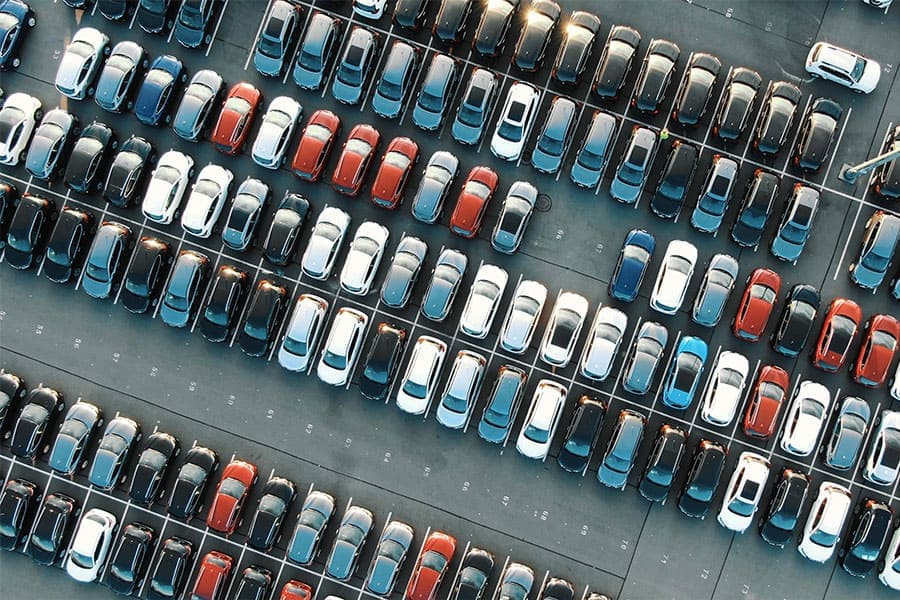
Organizing a fleet in a productive manner is usually very time-consuming and complex. Fleet management requires forward-thinking organization and coordination of all tasks to ensure both mobility and cost-effective fleet management.
A well-structured fleet management system not only ensures smooth operations but also promotes the effective use of all resources. From vehicle organization to compliance with legal requirements—every aspect contributes to successful management. In this article, you’ll learn what aspects are involved in fleet management and discover tips for optimizing the organization of your fleet.
Contents
- 1. The Importance of Efficient Fleet Management
- 2. Challenges in Fleet Management
- 3. Tip 1: Analyze the current situation and set clear goals
- 4. Tip 2: Identify and Eliminate Cost Drivers
- 5. Tip 3: Determine the procurement method
- 6. Tip 4: Develop a Car Policy
- 7. Tip 5: Use fuel cards
- 8. Tip 6: Comply with owner liability obligations
- 9. Tip 7: Integrate Electric Vehicles into the Fleet
- 10. Tip 8: Flexible Mobility in the Fleet Through Corporate Car Sharing
- 11. Tip 9: Handle Claims Efficiently
- 12. Tip 10: Use fleet management software
- 13. Here's how the Carano Fleet+ fleet management software helps with fleet management
The Importance of Efficient Fleet Management
Efficient fleet management helps companies maintain a centralized overview of costs, vehicles, schedules, and processes. A key foundation for this is the structured collection and processing of vehicle and fleet data. This provides transparency into the current status of the fleet and makes it possible to identify trends and opportunities for optimization at an early stage.
Specialized fleet management software consolidates relevant data in one central location and makes it available for analysis. Information on vehicle condition, mileage, fuel consumption, costs, and usage can help fleet managers make informed decisions and manage budgets more effectively.
Another important component is schedule management. Deadlines and appointments—such as vehicle inspections, emissions tests, maintenance, or inspections—must be reliably tracked so that vehicles can be scheduled in a timely manner. At the same time, structured cost control provides transparency regarding the total cost of ownership (TCO) for individual vehicles. In addition to purchase or leasing costs, this includes expenses for fuel or energy, maintenance, repairs, and insurance, among other things.
Safety and compliance are also integral parts of professional fleet management. Regular maintenance helps keep vehicles in a safe and roadworthy condition and prevents unplanned breakdowns. Legally required tasks, such as driver’s license checks and driver training, can also be organized and documented centrally.

Efficient fleet management can reduce costs, increase productivity, and minimize risks.
Challenges in Fleet Management
Not only are the tasks involved in fleet management diverse, but so are the challenges of organizing a fleet, and both require a great deal of attention. The ongoing development of digital technologies, persistent cost pressures, and increasing demands for climate and environmental protection present fleet managers with a variety of challenges:
- Comprehensive Data and Cost Management: It is essential to record and analyze all data and incurred costs in order to identify cost outliers and potential savings. Unforeseen costs can place a heavy burden on the budget.
- Schedule Management: Fleet managers must keep track of numerous deadlines. These include, for example, regularly checking driver’s licenses, maintenance schedules, and expiring lease agreements. Monitoring and planning all deadlines is therefore extremely important to comply with legal requirements and avoid disruptions to operations.
- Claims, Traffic Tickets, and Maintenance Management: Claims and traffic tickets should be processed quickly and in an organized manner to avoid unnecessary costs. In addition, the vehicles in the transportation fleet must be serviced regularly to minimize the risk of downtime and costly repairs.
- Comply with Legal Requirements: Fleet management requires compliance with numerous legal requirements. These include, for example, vehicle owner liability, emissions standards, and working time regulations.
- Comparing Insurance Providers and Leasing Partners: Company vehicles must be adequately insured, but there is a wide range of fleet insurance options available. There is also a wide range of options when it comes to the terms and conditions for leased vehicles. Therefore, fleet managers should carefully compare the various insurance and leasing partners before signing a contract.
- Driver Training and Monitoring: Training drivers on the safe operation of company vehicles and how to respond in the event of an accident must take place regularly as part of a UVV driver training program. In addition, fleet managers must verify that employees hold a valid driver’s license.
- Climate and Environmental Issues: Topics such as CO₂ emissions, energy consumption, and alternative powertrains are becoming increasingly important in fleet management. Many companies set climate and environmental goals for their fleets, such as reducing CO₂ emissions or integrating electric vehicles and other alternative powertrains.
The wide range of tasks and challenges—such as checking driver’s licenses or managing the vehicle fleet—make fleet management a complex and time-consuming task. Our 10 tips offer you tried-and-true approaches to streamline processes and optimize fleet operations in the long term.

Tip 1: Analyze the current situation and set clear goals
To identify potential issues in fleet management, it is important to analyze the current situation and define clear goals. Ask yourself what challenges exist and where there is room for improvement. Set realistic and measurable goals to make your fleet management more efficient in the future and to ensure that all obligations and tasks are fulfilled correctly. A fleet analysis will help you better assess the condition of your fleet and use that information to make strategic decisions.
Tip 2: Identify and Eliminate Cost Drivers
Fleet costs can quickly spiral out of control. The main task of fleet management is therefore to regularly review all expenses to identify potential savings. As a fleet manager, you need a clear overview of all ongoing costs so that cost outliers can be quickly identified.
Particular attention should be paid to major cost drivers such as fuel, maintenance, and repairs, as well as insurance expenses. A well-structured fleet management system helps ensure well-informed decisions and efficient fleet management.
Tip 3: Determine the procurement method
Fleet management responsibilities also include procuring suitable vehicles for the fleet. Depending on your needs and financial situation, you can choose between purchasing, leasing, or rental options.
Car subscriptions are also becoming increasingly popular. Thanks to flexible contract terms—which typically start as short as one month—and the quick availability of vehicles, this option can also meet short-term mobility needs. When determining the right procurement method for your fleet, always take your company’s specific requirements into account.
Tip 4: Develop a Car Policy
A clear car policy is essential for regulating the use of vehicles in your fleet for all employees. Define guidelines regarding usage, driver requirements, responsibilities, maintenance, and insurance. A well-thought-out car policy creates transparency and ensures consistent standards.
Companies also use these policies to determine which employee groups are allowed to drive which vehicles. This not only simplifies the procurement of vehicle models but also prevents many discussions among employees and avoids missteps in how the company is perceived by the outside world.
Tip 5: Use fuel cards
If you want to organize your fleet efficiently, you should also consider fuel cards. They make managing fuel consumption much easier. By using fuel cards, you can keep track of employees’ fueling activities as part of your fleet management, reduce the administrative burden of fleet management, and potentially benefit from discounts or special rates offered by the provider.
Fuel cards are a valuable tool in fleet management because they enable simple and effective control of fuel costs. They help reduce administrative tasks while creating transparency in fuel management, which significantly simplifies overall fleet management.

Tip 6: Comply with owner liability obligations
In addition to regularly checking driver’s licenses, providing proper driver training in accordance with the UVV is one of the key liability obligations for fleet owners. And these obligations should not be taken lightly, as failure to comply or improper implementation can result in severe penalties.
Incidentally, this applies not only to employees with their own company cars, but to all employees who have access to pool vehicles.
The results of the inspections should be documented and filed so that you are protected in the event of damage. Regular vehicle maintenance should also be ensured so that damage can be detected and repaired in a timely manner.
Tip 7: Integrate Electric Vehicles into the Fleet
The switch to electric vehicles offers the company many advantages, both environmental and economic. Explore the possibility of integrating electric vehicles into your fleet. Electric mobility is on the rise and can help you reduce CO2 emissions and save costs in the long term. Investigate the availability of charging stations in your area, explore funding opportunities, and ensure that your infrastructure meets the requirements of electric vehicles.
Integrating electric vehicles can also benefit your fleet management by leveraging innovative technologies to optimize costs and efficiency. Furthermore, driver buy-in is essential to ensuring a successful transition to electric mobility. Plan training sessions and informational events to promote acceptance and knowledge about the use of electric vehicles within your team.
Tip 8: Flexible Mobility in the Fleet Through Corporate Car Sharing
Companies looking to reduce fleet costs and use their vehicles more efficiently can benefit from corporate carsharing. This concept allows employees to use shared vehicles flexibly and collaboratively, thereby increasing their utilization rates. Depending on mobility needs, this can also reduce the vehicle fleet size where appropriate and unlock savings potential in both purchase and operating costs.
Car-sharing software supports the organization by allowing employees to reserve vehicles digitally and by automatically notifying them in the event of delays or cancellations, for example. Electric vehicles can also be integrated into the fleet. Higher utilization rates can help ensure that the vehicles are used more efficiently.
However, whether and when an electric vehicle is a good investment depends, among other things, on the purchase price, mileage, energy prices, and charging infrastructure.

Tip 9: Handle Claims Efficiently
Accidents or damage to vehicles are inevitable in a fleet. Therefore, it is important to establish an effective claims management system to quickly document damage, coordinate repairs, and efficiently process insurance claims. In your fleet management system, maintain clear procedures and contact information so that you can respond quickly in the event of damage and have access to important documents and supporting evidence.
Tip 10: Use fleet management software
Fleet management software helps you keep track of all vehicles, drivers, costs, maintenance tasks, and responsibilities, while minimizing the effort required to manage your fleet. It helps you increase efficiency and make informed decisions. Learn more about the benefits of fleet management software in our article “Benefits of Fleet Management Software.”
Modern fleet management software also supports fleet management by automating processes and optimizing data management. This not only allows you to plan maintenance work more effectively, but also helps foster buy-in from drivers and other stakeholders by creating transparent and traceable processes.
Here’s how the Carano Fleet+ fleet management software helps with fleet management
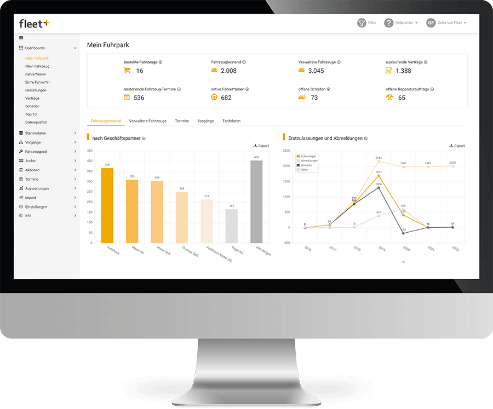
With powerful fleet management software like Carano Fleet+, you can manage your company’s fleet cost-effectively and transparently. The software helps you digitize fleet management and automate time-consuming routine tasks. This saves you a lot of time, which you can then use for the strategic management of your transport fleet.
Carano Fleet+ offers you, among other things:
- Comprehensive Data Management: The fleet management software enables structured management of all your fleet’s data and costs in one central location. With customizable access permissions, you can also specify who is authorized to view and edit the data. This simplifies data maintenance and eliminates unnecessary work.
- Efficient Schedule Management: With this digital solution, you can keep track of all vehicle and driver schedules, and the software reminds you of overdue deadlines thanks to its notification feature.
- Claims Management: The fleet management software helps you handle claims effectively to minimize the risk of downtime and keep costs as low as possible.
- Analyses and Reports: With the click of a button, you can access analyses and reports based on your fleet data. This allows you to identify cost drivers and develop cost-saving measures. You can also use the data to make strategic decisions.
- Fuel Consumption and CO₂ Emissions: Identify vehicles with particularly high fuel consumption and determine which vehicles could benefit from electrification to reduce fuel consumption, CO₂ emissions, and operating costs.
The Carano Fleet+ fleet management software simplifies fleet management through automated processes, comprehensive data analysis, and efficient scheduling and claims management. It also provides transparency regarding fuel consumption and CO₂ emissions and helps companies identify opportunities for optimization and strategically develop their fleets.
FAQ – Fleet Management
Fleet management involves the organization, control, and monitoring of all of a company’s vehicles, including drivers, costs, and processes. It is essential for ensuring mobility, reducing costs, and complying with legal requirements.
Fleet management software automates routine tasks, organizes schedules, analyzes data, and optimizes processes. It enables transparent and productive fleet management, saves time, and helps you make informed decisions.
The Fleet+ software digitizes fleet management, automates processes, supports damage and scheduling management, and provides detailed analyses. It helps companies manage their fleets productively and optimize them strategically.
More helpful articles on fleet management
- Fleet management: How to manage your fleet successfully
- Fleet management tasks: The 10 most important fleet activities
- The 5 advantages of fleet management software for your company
- Fleet Management: Modern vehicle management for maximum fleet efficiency
- Vehicle management: efficient processes for a modern vehicle fleet